Yesterday’s Tomorrows: How Early Books Reveal the Future of Science

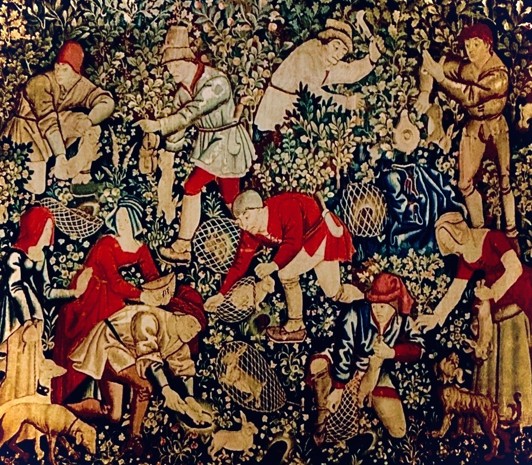
The Linda Hall Library houses a remarkable History of Science collection, showcasing pivotal works like Gart der Gesundheit, Mundus Subterraneus, and Micrographia. These texts not only reflect the scientific knowledge of their times but also laid foundational concepts that influence modern science, illustrating the evolving relationship between evidence, imagination, and inquiry.

Understanding Caligula: The Role of Illness and Power

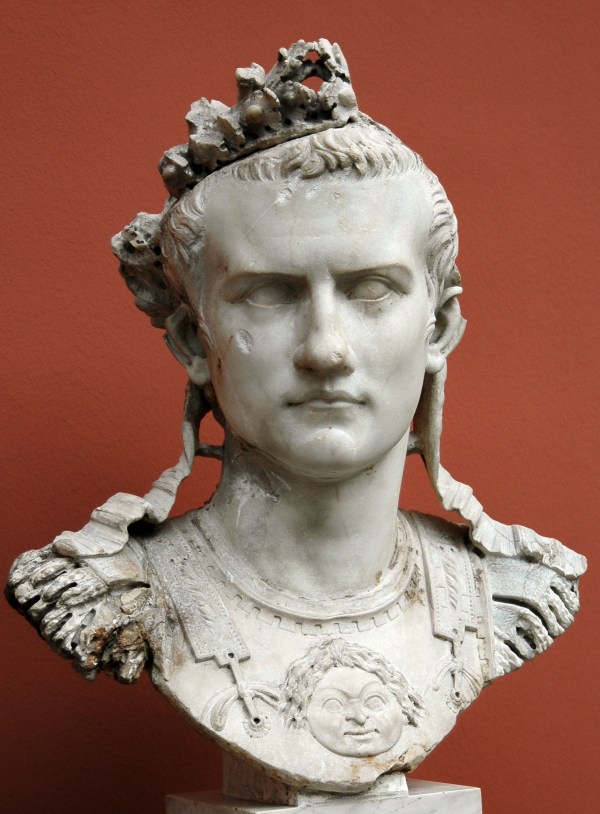
Emperor Caligula's reign from AD 37 to 41 is infamous for its cruelty and excess, shifting from a promising ruler to a tyrant following a mysterious illness. Scholars suggest factors like lead poisoning, encephalitis, epilepsy, genetics, and the corrupting nature of power may explain his decline. His tragic story warns against unchecked authority.

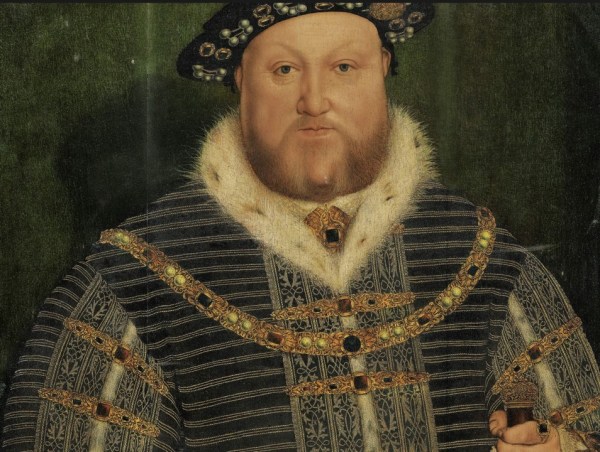
Did a Jousting Accident Turn Henry VIII into a Tyrant?

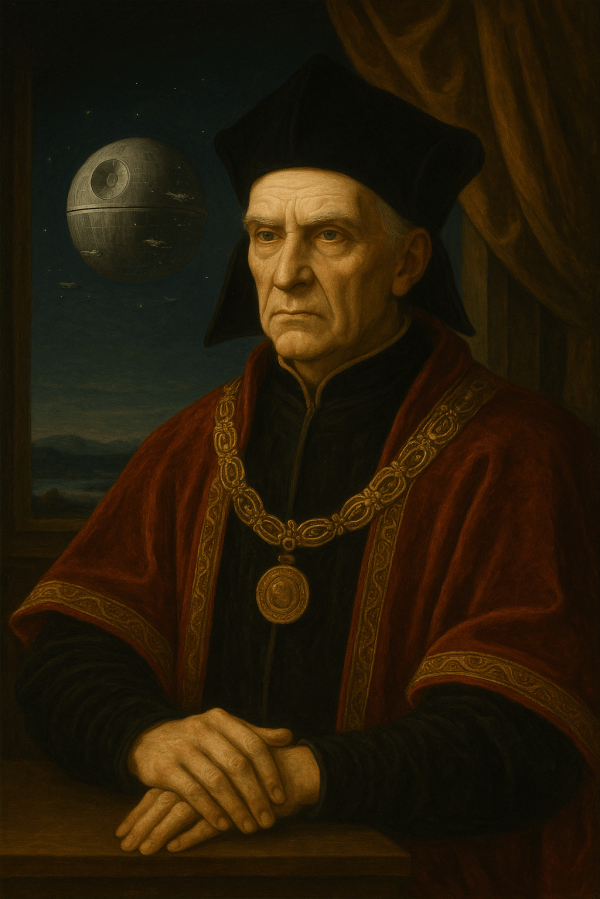
Henry VIII transitioned from a celebrated Renaissance prince to a tyrannical ruler, largely attributed to potential traumatic brain injury he suffered in 1536. His later behavior, marked by cruelty and paranoia, has led historians to explore the effects of brain injuries, alongside other theories, in understanding his dramatic personality shift and impact on English history.

The Physics of Santa’s Sleigh: How Science Could Get Him Airborne

Every December, Santa Claus faces the challenge of delivering presents worldwide. By integrating modern technologies such as jet and ion propulsion, graphene wings, and bioengineering for reindeer, his sleigh could potentially take flight. However, significant breakthroughs in quantum mechanics and materials science are essential for this fantasy to become reality.

Are Octopuses Aliens? Debunking Extraterrestrial Theories

In a recent blog post, I explored the intriguing hypothesis that octopus intelligence may have extraterrestrial origins, as proposed by a global team of researchers, as part of the Astrobiology section of the upcoming Life Beyond Earth? exhibition at the Linda Hall Library. The idea was tantalizing—a species so vastly different from anything else on... Continue Reading →

Let’s Make a Plant – Patenting Nature’s Masterpieces from Roses to Avocados

The New Dawn rose, Plant Patent 1 Photo: 1971Markus; Wikimedia Commons One of the things I love about working at the Linda Hall Library is the frequency of which I'm exposed, often unexpectedly, to really cool books. One book, or rather a series of books, is the collection of United States plant patents from the... Continue Reading →

The Paradox of Fear: Why AI Terrifies Us More Than Climate Change

Artificial Intelligence (AI) and climate change are two of the hottest button issues facing society today. While both have far-reaching implications for our lives and well-being, it's intriguing that while both are generating a significant buzz, AI is surpassing climate issues in generating fear of being an existential threat to humanity. People are busy enjoying... Continue Reading →

A Little World Within Itself: My First Voyage to the The Galápagos

In 1835, Charles Darwin wrote these worlds in the Voyage of the Beagle: “The archipelago is a little world within itself, or rather a satellite attached to America, whence it has derived a few stray colonists, and has received the general character of its indigenous population.” Chapter XVII: "Galapagos Archipelago" (second edition, 1845), entry for... Continue Reading →

Blog at WordPress.com.

Up ↑