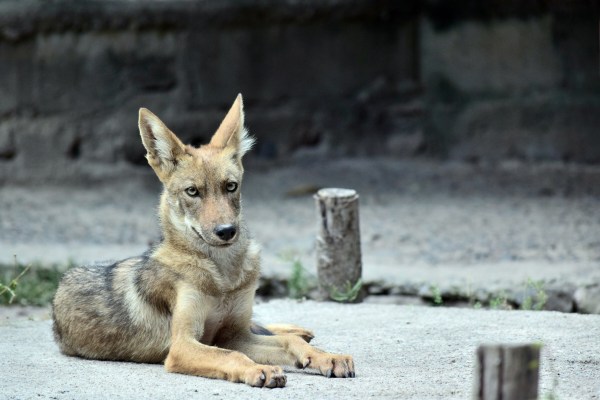
In my latest piece for The Attentive Naturalist on Substack, I write about two coyotes moved that recently moved into my neighborhood. They quickly earned names, Dodger and Daisy, while the local cat population grew just a bit thinner. That single observation opened onto something much larger. Urban coyote numbers are climbing across most of... Continue Reading →
The Book The Linda Hall Deserved
The Linda Hall Science Library and Arboretum celebrated its 80th anniversary by creating "The Linda Hall: A Visual History," compiling decades of photographs and essays highlighting its rich history, collections, and gardens, marking a significant milestone.
Thirty Times Faster: What Seagrass Does That Rainforests Can’t
The latest Substack article reflects on the author's experience observing manatees during the pandemic, highlighting the critical yet overlooked role of seagrass ecosystems, and emphasizes the urgency of preserving scientific records amid environmental crises.
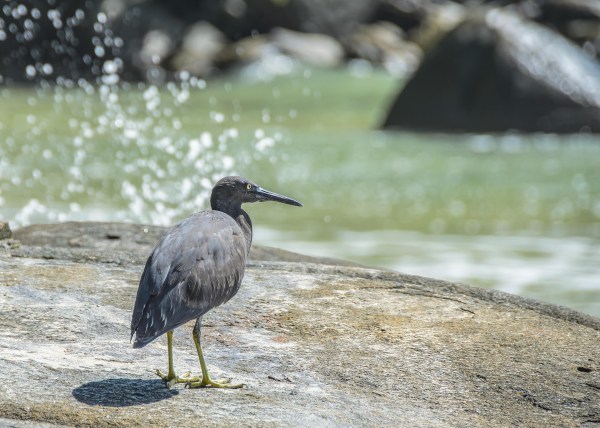
Egrets Two Ways: An Unsolved Mystery
A note to my friends and subscribers, this post is to let you know that I’ve started to publish my posts on Substack. The channel is The Attentive Naturalist I’ll continue to put a preview on my blog so you can always keep in touch with what I’m writing about. It’s still free, so all... Continue Reading →
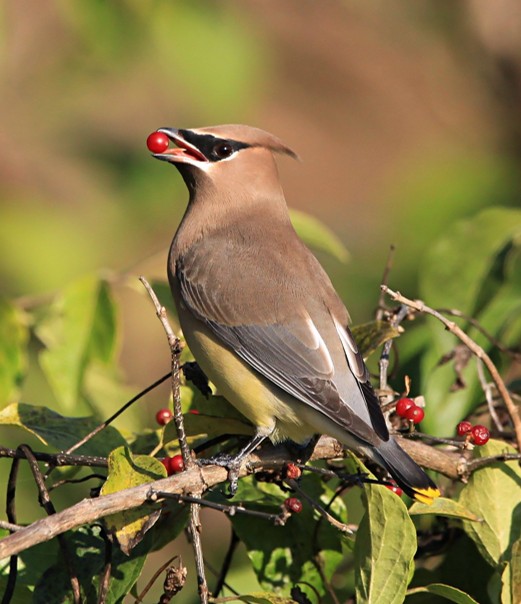
A Cedar Waxwing Died at My Window
A Cedar Waxwing at my window becomes a personal reckoning with invisible glass, unintended design, and how modest, practical changes at home can spare countless birds unnecessary deaths.
Do Cardinals Know They Are Red? A Closer Look at a Christmas Icon
This article explores how cardinals perceive their environment, and how they explore their place in it, especially with respect to color.
The Club-Winged Manakin: A Bird That Plays Its Wings
The club-winged manakin, a small South American bird, produces unique wing-generated sounds for courtship, trading flight efficiency for the ability to attract females with precise stridulation.
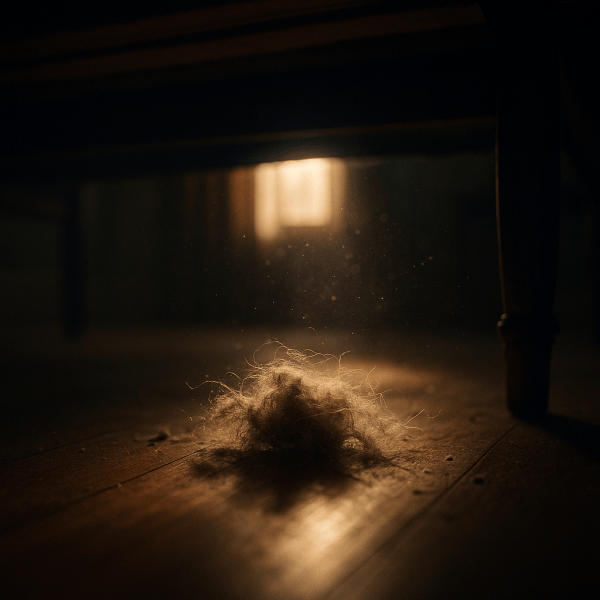
The Monsters Under Your Bed: A Halloween Menagerie
The narrative explores the hidden ecosystem beneath your bed, describing dust bunnies as complex microcosms inhabited by various organisms. Dust, mites, beetles, and fungi create a miniature food web, reminding us of life's persistence and evolution in overlooked spaces.
Yesterday’s Tomorrows: How Early Books Reveal the Future of Science
The Linda Hall Library houses a remarkable History of Science collection, showcasing pivotal works like Gart der Gesundheit, Mundus Subterraneus, and Micrographia. These texts not only reflect the scientific knowledge of their times but also laid foundational concepts that influence modern science, illustrating the evolving relationship between evidence, imagination, and inquiry.
Keep Young and Beautiful: A Natural History of Courtship, Vanity, and the Art of Looking Good
Annie Lennox's song "Keep Young and Beautiful" reflects the irony of beauty as a persuasion strategy rooted in evolutionary biology. Various species, from cleaner wrasses to dung beetles, demonstrate deliberate manipulation of appearance and behavior to enhance mating success, revealing shared evolutionary patterns in beauty and attraction across species.