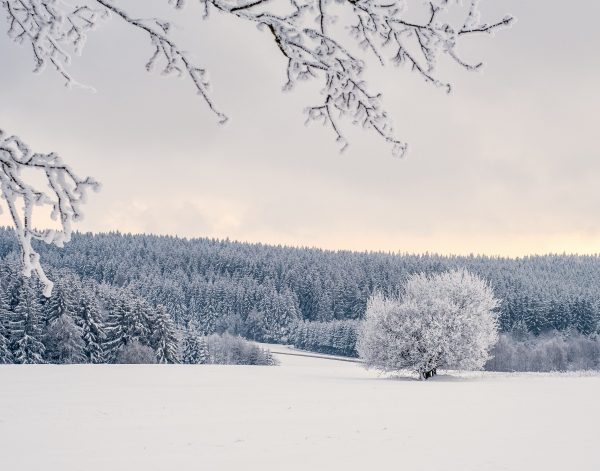
Ancient cultures celebrated solstices for their significance in natural cycles. The relationship between day length and temperature reveals seasonal lag, influenced by Earth's heat storage and climate change.
Do Cardinals Know They Are Red? A Closer Look at a Christmas Icon
This article explores how cardinals perceive their environment, and how they explore their place in it, especially with respect to color.
Yesterday’s Tomorrows: How Early Books Reveal the Future of Science
The Linda Hall Library houses a remarkable History of Science collection, showcasing pivotal works like Gart der Gesundheit, Mundus Subterraneus, and Micrographia. These texts not only reflect the scientific knowledge of their times but also laid foundational concepts that influence modern science, illustrating the evolving relationship between evidence, imagination, and inquiry.
Keep Young and Beautiful: A Natural History of Courtship, Vanity, and the Art of Looking Good
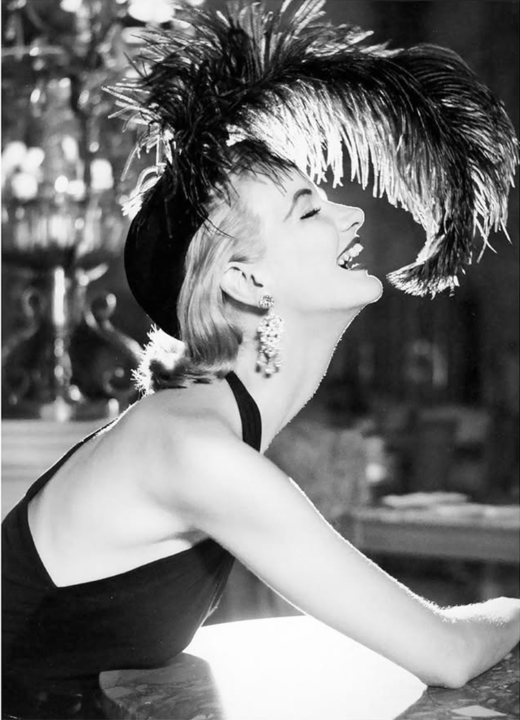
Annie Lennox's song "Keep Young and Beautiful" reflects the irony of beauty as a persuasion strategy rooted in evolutionary biology. Various species, from cleaner wrasses to dung beetles, demonstrate deliberate manipulation of appearance and behavior to enhance mating success, revealing shared evolutionary patterns in beauty and attraction across species.
Dracula, Vlad the Impaler, and the Science of Fear
The Legend and the Man Vlad the Impaler dining amongst his victims. German, published posthumously (1499), twenty-two years after his death. Vlad III, known as Vlad the Impaler (1448-1477), has long been entangled with the legend of Count Dracula. Bram Stoker’s vampire borrows his name and homeland, but the real Vlad was no immortal creature... Continue Reading →
Did a Jousting Accident Turn Henry VIII into a Tyrant?
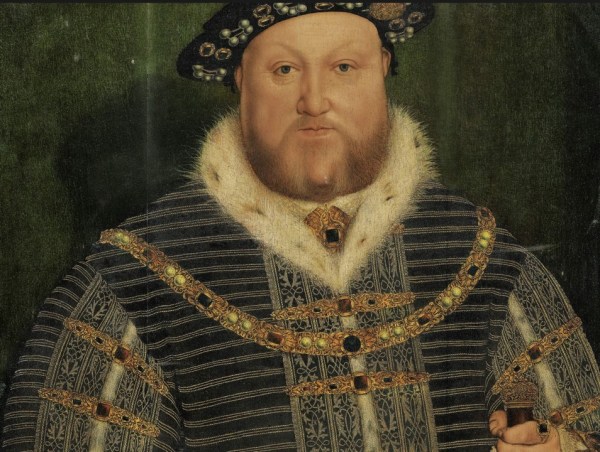
Henry VIII transitioned from a celebrated Renaissance prince to a tyrannical ruler, largely attributed to potential traumatic brain injury he suffered in 1536. His later behavior, marked by cruelty and paranoia, has led historians to explore the effects of brain injuries, alongside other theories, in understanding his dramatic personality shift and impact on English history.
World Rainforest Day, June 22
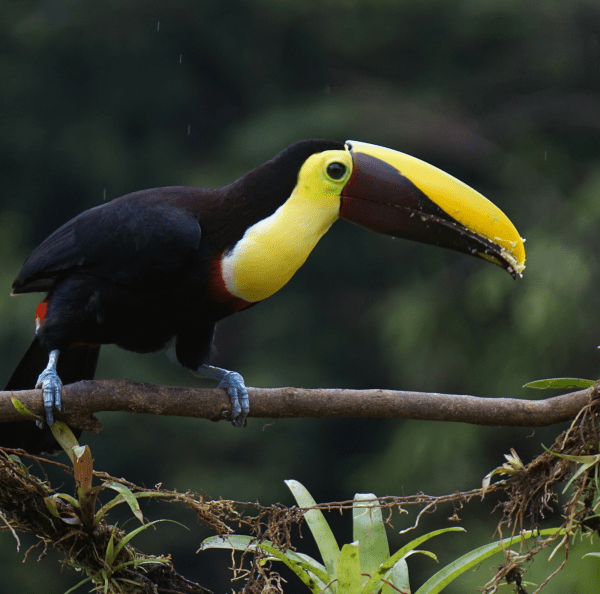
Today, June 22, is World Rainforest Day. It's a day I'm happy to observe. Over the years, I've had the great good fortune of visiting, and occasionally working in, some of the world's most majestic rainforests. The arching canopies tinting everything beneath with a wash of green, the the constant hum of insects punctuated occasionally... Continue Reading →
Inside the Animal Mind: A Conversation with Richard Louv
Bestselling author, Richard Louv, author of Our Wild Calling Photo: Richard Louv 2016 I recently had the chance fulfill a long-time ambition, to have a chat with the Richard Louv best-selling author of many books, including “Last Child in the Woods” and “The Nature Principle.” Richard is a leader in thinking about nature deficit and... Continue Reading →
Pandemics: Our Complex Relationship with Animals
Just a couple of weeks after the fiftieth anniversary of Earth Day, which was meant to engage the world in "a billion acts of green," saw us focusing instead on a global Coronavirus pandemic catalyzed, it would seem, by eating wild animals (most likely bats) from so-called "wet markets" in Wuhan (if you follow the... Continue Reading →
Natural History and a Unified Museum Definition
Much is being said within the museum industry about the definition of museums. ICOM is considering the current definition and whether it needs to be rethought. I think a review is worthwhile, regardless of whether changes are ultimately made. Robust thinking about museums (or any field, in fact), whether related to practice or theory, should... Continue Reading →