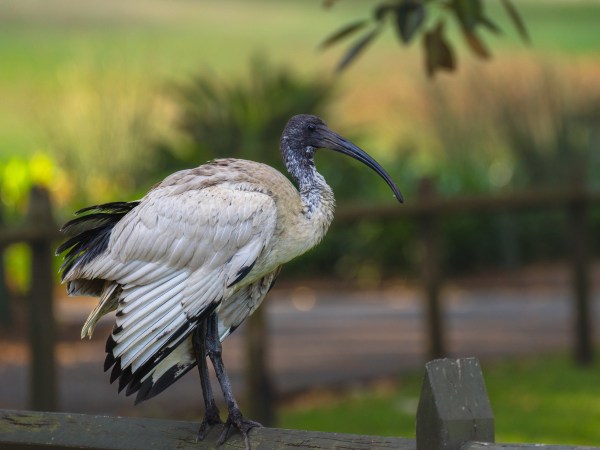
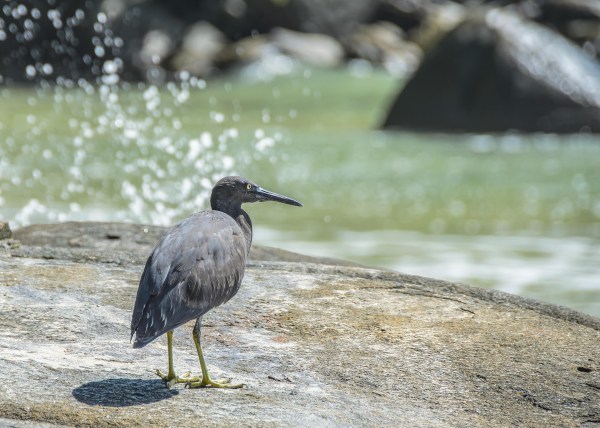
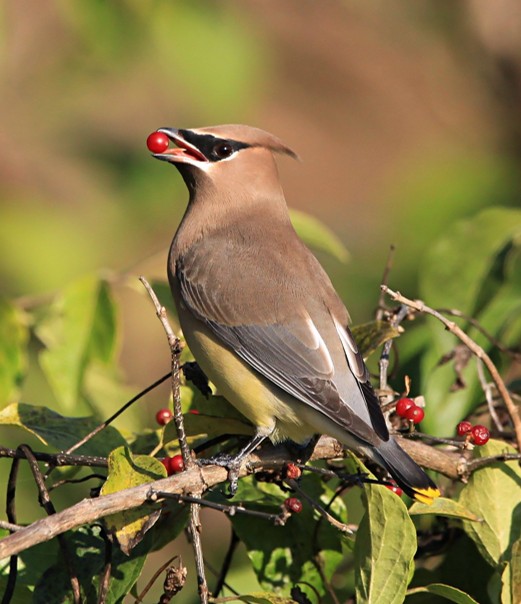
Egrets Two Ways: An Unsolved Mystery

A note to my friends and subscribers, this post is to let you know that I’ve started to publish my posts on Substack. The channel is The Attentive Naturalist I’ll continue to put a preview on my blog so you can always keep in touch with what I’m writing about. It’s still free, so all... Continue Reading →

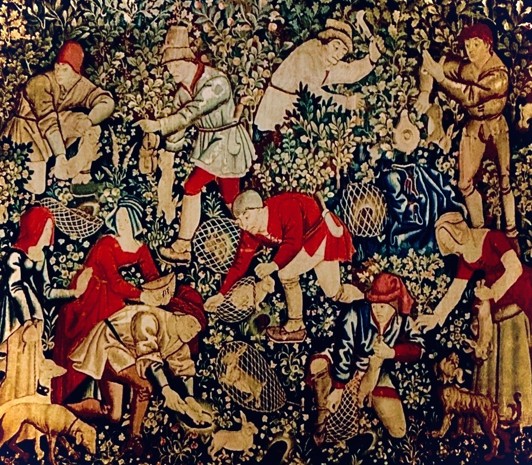
Rabbit Hunting with Ferrets: A Renaissance Tapestry reveals the Ancient Science of Human–Animal Collaboration

The tapestry "Rabbit-Hunting with Ferrets" illustrates medieval cooperation with nature, highlighting ecological wisdom and partnerships essential for survival, while prompting modern reflections on sustainable practices and human-nature relationships.

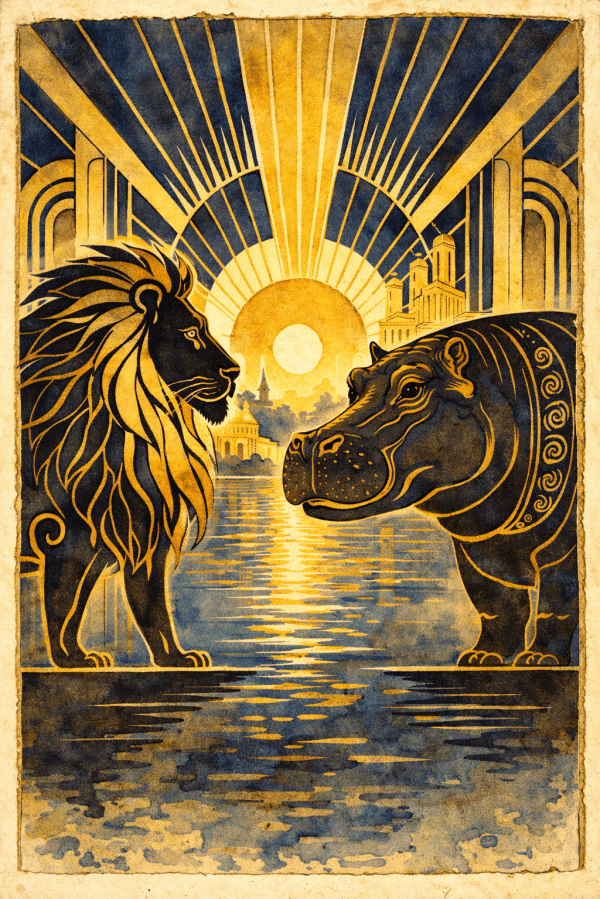
Hippos, Lions, and the Science of Instinct: When Animal Fables Get It Wrong

A viral story about a man killed by a hippo leads to ancient fables of scorpions, lions, and instinct. These tales reveal less about animals than about human fears, cultural distance from nature, and the myths modern societies still use to navigate uncertainty.

The Green Thing We Forgot: Living Lighter on a Crowded Earth

The story goes like this: a young cashier gently suggests to an older woman that she bring her own grocery bags next time because plastic is bad for the planet. The woman smiles and says, “We didn’t have the green thing in my day.” Then she begins listing everything her generation did before “sustainability” became... Continue Reading →

Yesterday’s Tomorrows: How Early Books Reveal the Future of Science

The Linda Hall Library houses a remarkable History of Science collection, showcasing pivotal works like Gart der Gesundheit, Mundus Subterraneus, and Micrographia. These texts not only reflect the scientific knowledge of their times but also laid foundational concepts that influence modern science, illustrating the evolving relationship between evidence, imagination, and inquiry.

Keep Young and Beautiful: A Natural History of Courtship, Vanity, and the Art of Looking Good

Annie Lennox's song "Keep Young and Beautiful" reflects the irony of beauty as a persuasion strategy rooted in evolutionary biology. Various species, from cleaner wrasses to dung beetles, demonstrate deliberate manipulation of appearance and behavior to enhance mating success, revealing shared evolutionary patterns in beauty and attraction across species.

Cognitive Showdown: Crows vs. Toddlers in the Science of Intelligence

Corvids, particularly crows and magpies, exhibit cognitive abilities comparable to human toddlers, including tool use, self-recognition, and social inference. Their intelligence prompts reconsideration of evolutionary assumptions about cognition. Recognizing these advanced mental processes highlights the need for conservation efforts to protect these remarkable birds amidst human threats to their habitats.

Blog at WordPress.com.

Up ↑