

The story goes like this: a young cashier gently suggests to an older woman that she bring her own grocery bags next time because plastic is bad for the planet. The woman smiles and says, “We didn’t have the green thing in my day.” Then she begins listing everything her generation did before “sustainability” became a word. Returning milk bottles. Drying clothes on a line. Walking to the store. Reusing paper bags. None of it was environmentalism. It was simply life.
I have seen this story circulating around the internet many times, shared with varying degrees of smugness, often ending with a jab about “kids these days.” It is meant to point out hypocrisy, but highlights something far deeper and interesting. Each generation believes it invented awareness. Yet history suggests we keep rediscovering the same lessons, just dressed for new times.
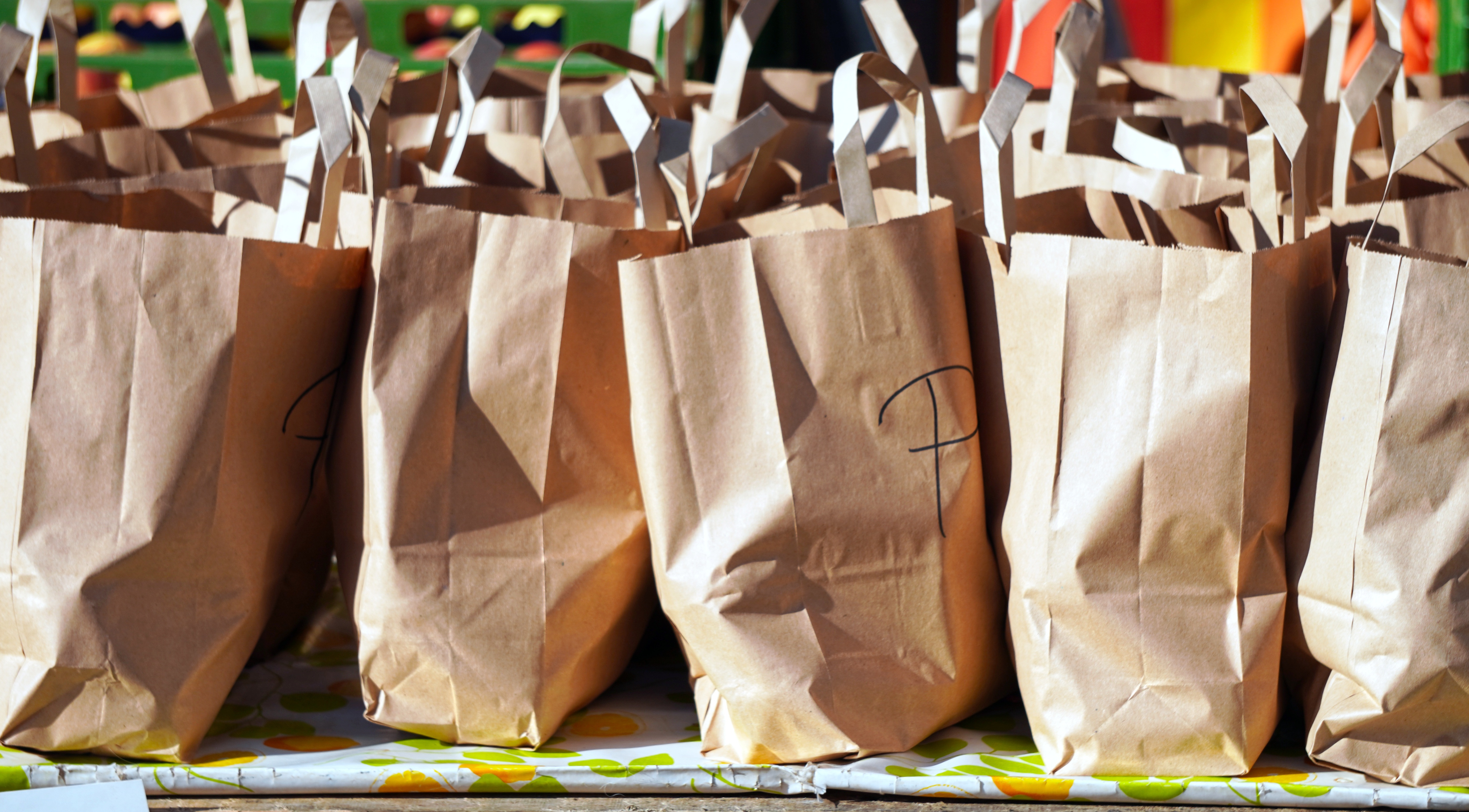
The green thing wasn’t a movement back then because waste was expensive. Coming out of the Great Depression, people conserved by instinct and necessity. There was no marketing in it, no virtue attached. Reuse was not a philosophy; it was the way things were. And in many ways, that quiet practicality was more influential than any campaign. It was woven into daily life, not added on top of it.
Our era, by contrast, has turned sustainability into a product category. We can buy reusable cups, plant-based packaging, and electric cars, yet most of what we call progress still depends on relentless extraction and constant novelty. We replace rather than repair. We design for obsolescence, then celebrate recycling as redemption. It is a clever loop that keeps our whole economic machine running.
But the scale of that machine has changed, both in size and intensity. In 1960, the world held about three billion people. Today, there are more than eight billion of us, all drawing on the same finite systems of soil, water, and energy. What once worked through thrift now collides with the arithmetic of mass consumption. Every choice ripples outward, multiplied by billions of hands. The problem has become more complex and more connected, but also more charged with energy and inertia, like a gathering storm.
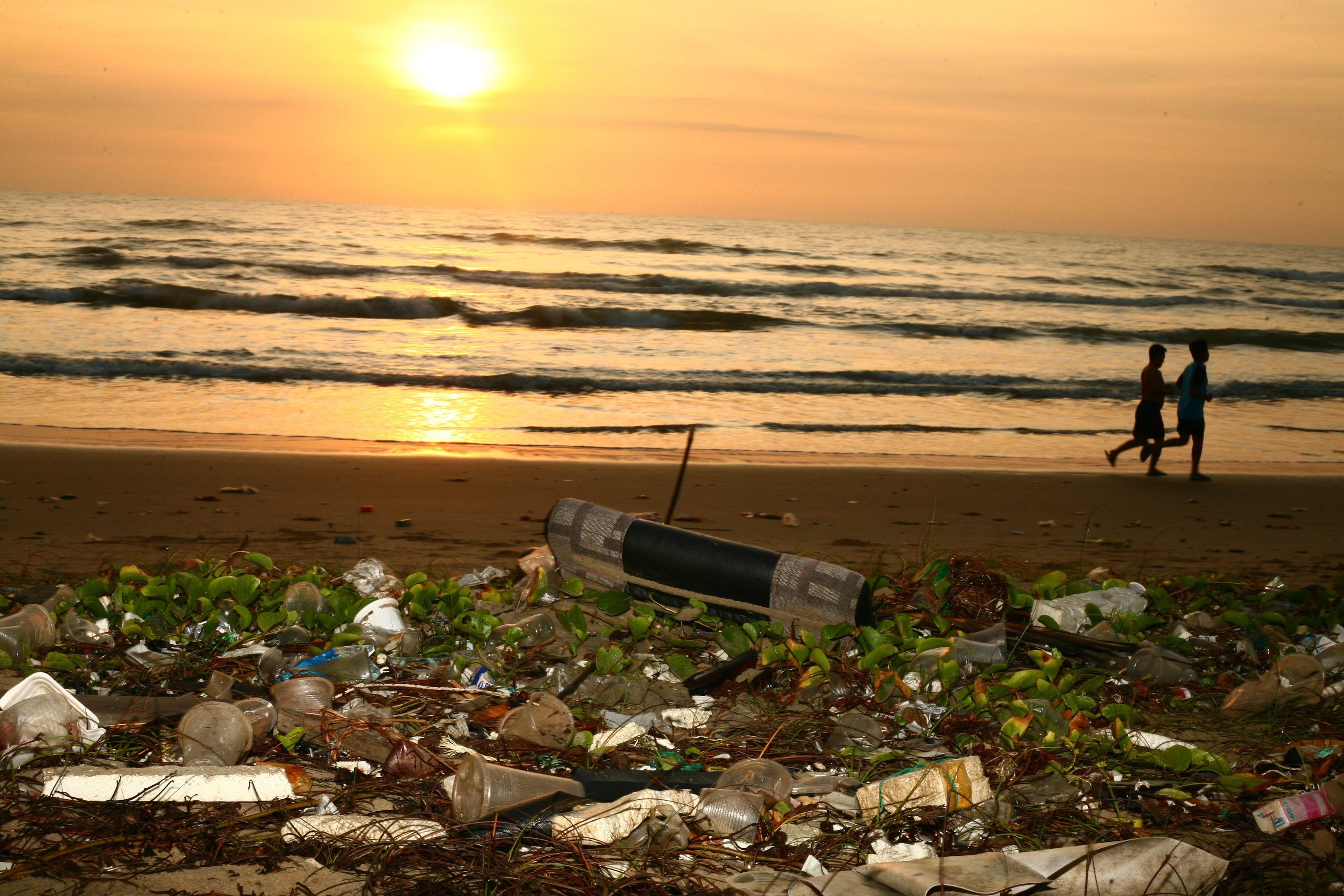
This is not to romanticize the past. No one should long for the ozone hole, leaded gasoline, or rivers that caught fire. Those earlier generations were not saints; they simply lived within tighter boundaries. But they knew, instinctively, what we now must relearn: that endless growth is a myth. The idea that efficiency and consumption can coexist indefinitely is seductive, but physics does not negotiate.
What strikes me is how much of our future seems to lie hidden in those earlier habits. Local production. Shared resources. Slower turnover. These were not moral choices then, but they could become ethical ones now. The technologies are different, but the logic is the same. Systems built for convenience will never choose restraint on their own. They have to be designed, or repurposed, for it.
We often speak as though the future is something that happens to us. It is not. The shape of our lives, and the health of the world that sustains them, are the results of thousands of ordinary decisions – some personal, some collective. If we do not choose the future we want, it will be chosen for us. This will not necessarily be through algorithms and political systems (although these things are important) but through a less predictable and increasingly unfriendly world, where seasonal fluctuations, the ubiquitous presence of pollinators, and the assurance that our drinking water is free from contamination can no longer be taken for granted.
The context has shifted. For our grandparents, doing the right thing meant being frugal, sensible, and practical. For us, it means something far starker: surviving to the next generation.
The green thing, if it exists at all, is not a nostalgic memory. It is a question that refuses to go away: how much is enough, and what are we willing to change? Perhaps the best way forward is not to scold or boast, but to remember that wisdom is recyclable.
We may never return to milk bottles or clotheslines, but we can recover the mindset that made those things natural parts of daily life, valuing endurance over novelty. That same mindset helped us recognize that living lightly was not a trend, but a skill.
Nature, somehow, always collects the bill.


Hi Eric, So we’ll written. Hope all is well. We miss you in Pittsburgh. Judy
Thanks Judy, I miss being there, but yes things are excellent. Thanks for the compliment!
American refugees (of the right type) welcome in Aotearoa- just saying. Happiness is hard to define and was seldom measured in the past but the scant evidence suggests that it has declined as consumption and consequent waste has increased. We have been worshipping the wrong god/ ideal. Repairing our relation with Nature in its physical and perhaps metaphysical aspects is key to our own redemption. Ko au te Awa, ko te Awa ko Au.
It’s funny how happiness is a thing that has to be measured now, instead of simply experienced. I’ve been reading Epicurus lately, who writes about the nature of happiness. I might have to do a post on him on day. Kia ora e hoa!