Animals That Play Dead: A Sliver of Halloween Science
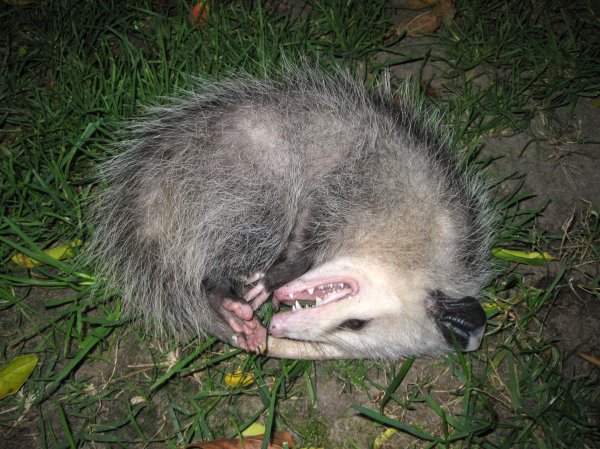
Halloween costumes are a bit of fun for us, but for some animals, playing dead is a matter of survival. From theatrical hognose snakes to remarkably convincing opossums, nature has perfected the art of appearing lifeless. Discover the strange science of thanatosis, and the predator that uses it to catch a meal. New for The... Continue Reading →

Bin Chickens and the Art of Moving In

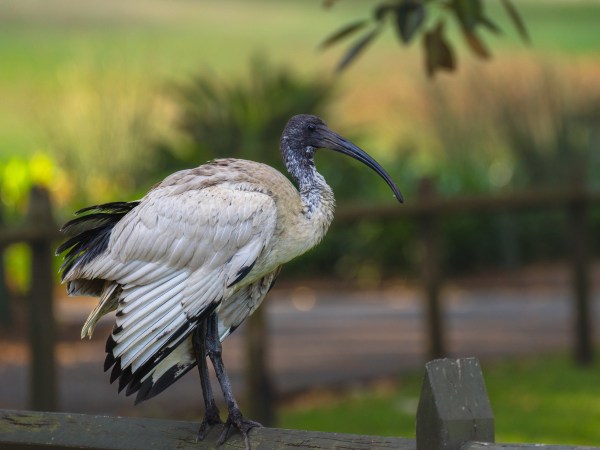
For The Attentive Naturalist on Substack, I wrote about urban-dwelling ibis in Australia and Florida. Sydney's "bin chicken" rebuilt its diet, nerve, and breeding calendar to live off landfills. Florida's white ibis did the same around golf courses and theme parks. A related species tried an identical trick in the Everglades and was eradicated. Urban... Continue Reading →

Coyotes in the Hydrangeas: My Personal Anthropocene

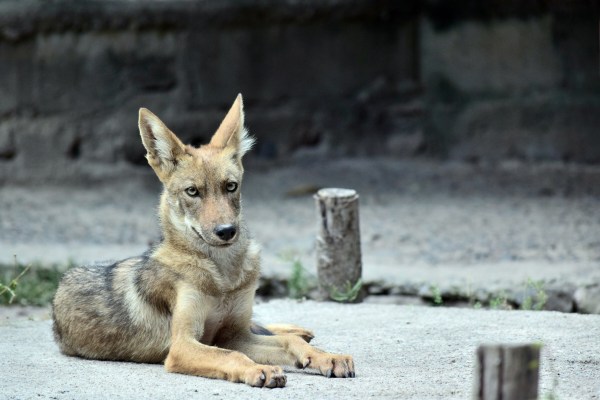
In my latest piece for The Attentive Naturalist on Substack, I write about two coyotes moved that recently moved into my neighborhood. They quickly earned names, Dodger and Daisy, while the local cat population grew just a bit thinner. That single observation opened onto something much larger. Urban coyote numbers are climbing across most of... Continue Reading →

Rabbit Hunting with Ferrets: A Renaissance Tapestry reveals the Ancient Science of Human–Animal Collaboration

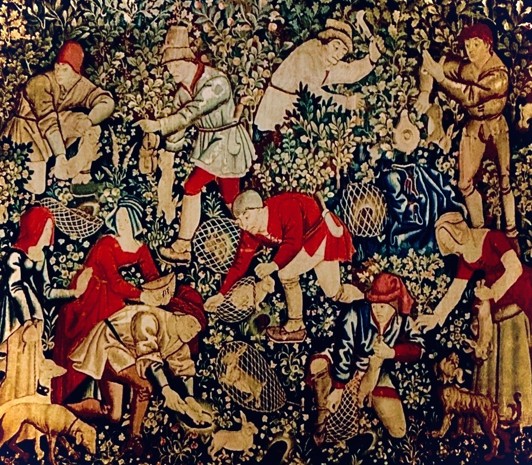
The tapestry "Rabbit-Hunting with Ferrets" illustrates medieval cooperation with nature, highlighting ecological wisdom and partnerships essential for survival, while prompting modern reflections on sustainable practices and human-nature relationships.

The Green Thing We Forgot: Living Lighter on a Crowded Earth

The story goes like this: a young cashier gently suggests to an older woman that she bring her own grocery bags next time because plastic is bad for the planet. The woman smiles and says, “We didn’t have the green thing in my day.” Then she begins listing everything her generation did before “sustainability” became... Continue Reading →

Cognitive Showdown: Crows vs. Toddlers in the Science of Intelligence

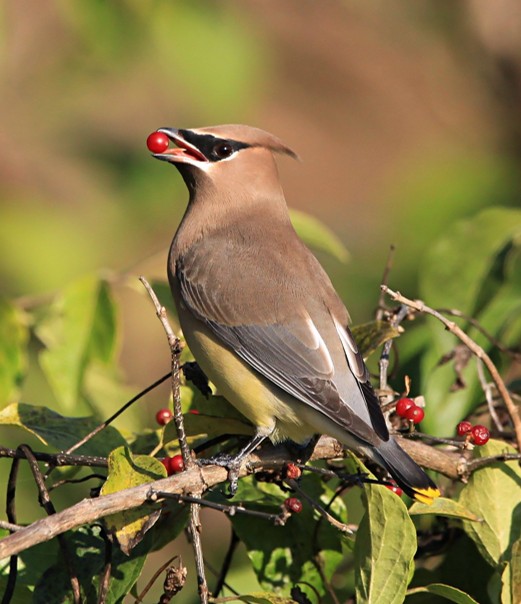
Corvids, particularly crows and magpies, exhibit cognitive abilities comparable to human toddlers, including tool use, self-recognition, and social inference. Their intelligence prompts reconsideration of evolutionary assumptions about cognition. Recognizing these advanced mental processes highlights the need for conservation efforts to protect these remarkable birds amidst human threats to their habitats.

Blog at WordPress.com.

Up ↑