
When I arrived as President of The Linda Hall Science Library and Arboretum, I found myself encountering famous historical science books I’d only ever read about. The effect was something like meeting a celebrity. My very first (surviving) blog post years before I had heard of The Linda Hall was, in fact, about Ulisse Aldrovandi and his fourteen-volume natural history. It’s brimming with diverse topics: ospreys nest-building habits, a cormorant dissection, a rhinoceros, mermaids, unicorns, and dragons, all presented equally as current credible science. Those were the days. I have pored over Aldrovandi’s volumes many times and am still using them for research.
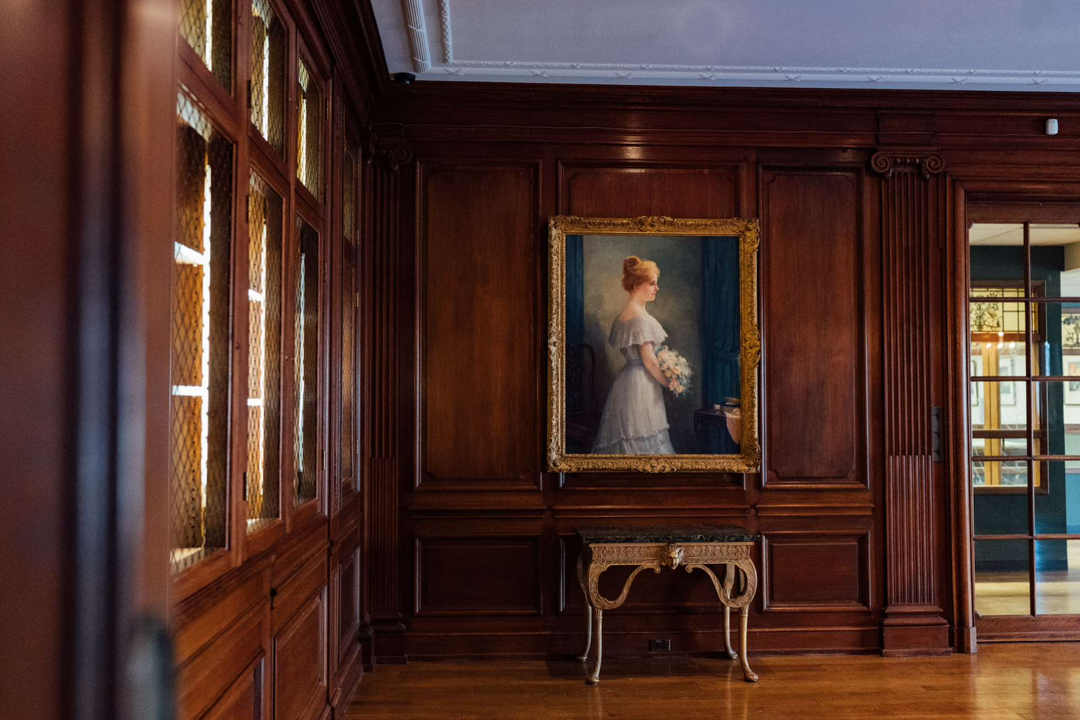
The building and gardens earned my affection just as quickly as the collection. An Arboretum in spring is a hard thing not to love when you’re walking around it seeing what’s in bloom. Neither is our stunning courtyard, especially when it’s full of guests and a jazz trio on a warm evening. So, I was surprised to discover that, given how deserving The Linda Hall is, nobody had ever put together a book celebrating it with images. This year, for the institution’s 80th anniversary, my colleagues and I decided it was the perfect time to remedy that. The result is:
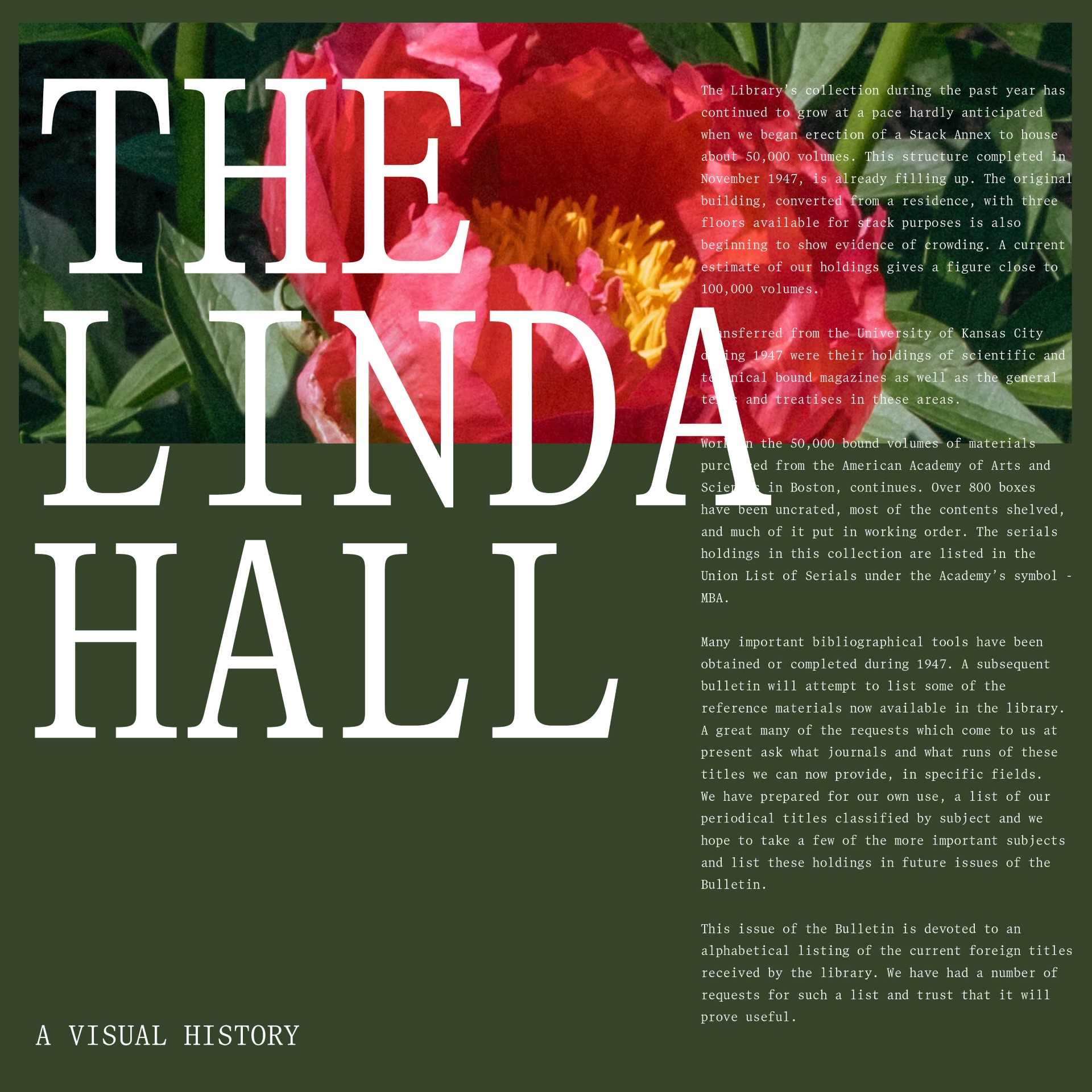
The Linda Hall: A Visual History.
The Genesis of an Idea
Every institution accumulates a visual memory, and one that’s eighty years old accumulates rather an extensive one. Once we started looking, we realized just how much of our history had been captured on film. Many hands over many decades wielding a different camera, each photographer bringing a unique eye and that era’s sense of what was worth capturing on film. That discovery felt like inheriting a museum full of surprises.
When the team got together for the first time, we asked ourselves what stories an institution of nearly a century could tell in an accumulation of photographs that goes beyond our publications (for instance our beautiful magazine Cygnus: The History and Future of Science) and our annual report, sharing our achievements for the year. In creating this book, we share a deeply human experience, steeped in the institution’s character and let the images speak, largely, for themselves.
A Single Voice, Many Perspectives
This is the first time these decades of images have been gathered under one intellectual and aesthetic vision. It took many minds to gather them, think about their meaning, balance the diversity of perspective, and present them in a coherent order. I co-authored the book with three colleagues I admire enormously, Eric Ward, Bill Ashworth, and Bruce Bradley. Each of us focused on a territory suited to our particular curiosity and experience. Noah Anthony designed this elegant book in a way that enhances them and tells a story in its own right. Nicole Ferrara edited the whole manuscript into a single, consistent voice, no small feat when four writers are writing separate essays. Scott Perich had the Herculean task of bringing the entire project together and kept it moving from concept to bound copy. I am fortunate to keep company like this.
The Arboretum: Where I Chose to Look
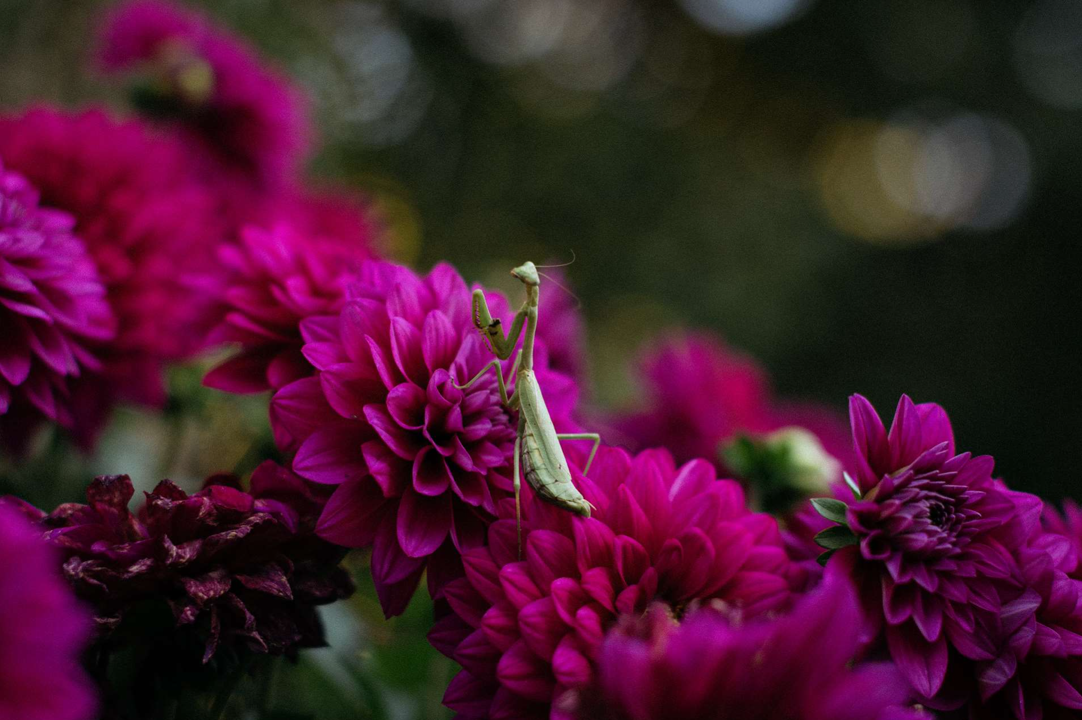
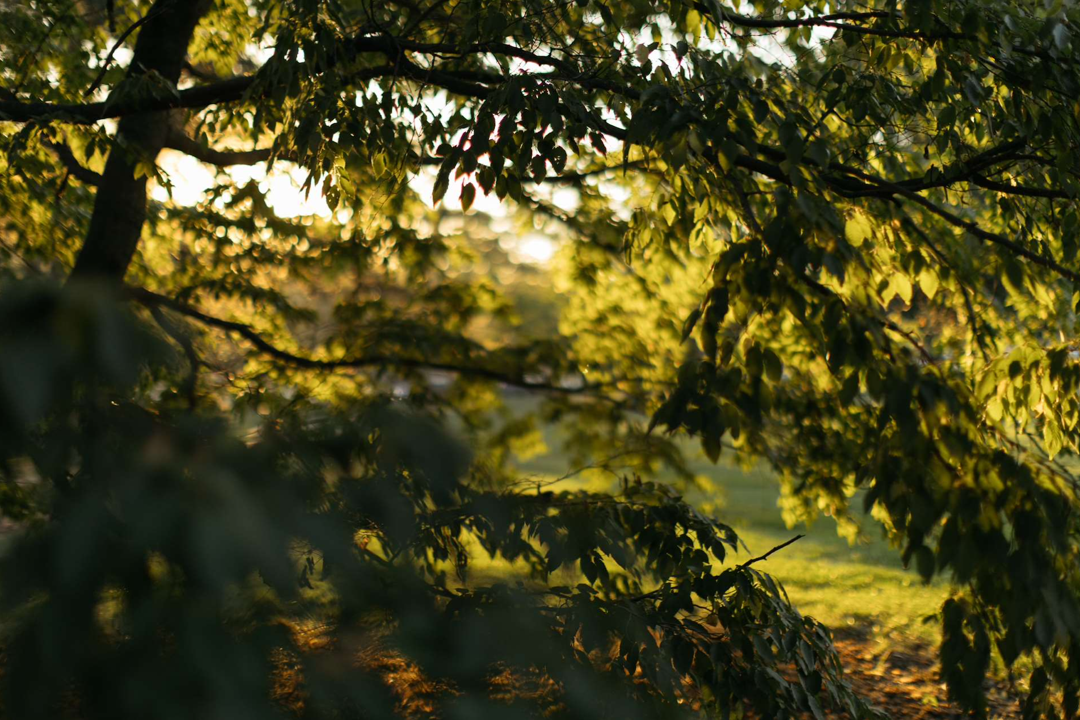
My own section turned toward the gardens, partly because they are beautiful and partly because my ecological background draws me continually out there. The grounds have offered me a steady education in surprise: warblers passing through on migration, and squirrels so tame that “wild” feels like an overstatement. Writing about the gardens meant covering all of that, the history of the plantings alongside the wildlife that has claimed them as its own.
Eighty Years, One Book
The photographs span 1940s to today, and if you count the historical books, the 1480s. The essays we wrote add context that goes deeper than a caption, covering the architecture, the collections, the people who built and rebuilt this place across generations. Together they form a table book that carries a considered argument about what an institution’s photographs can reveal, once someone finally sits down and looks at all of them at once.
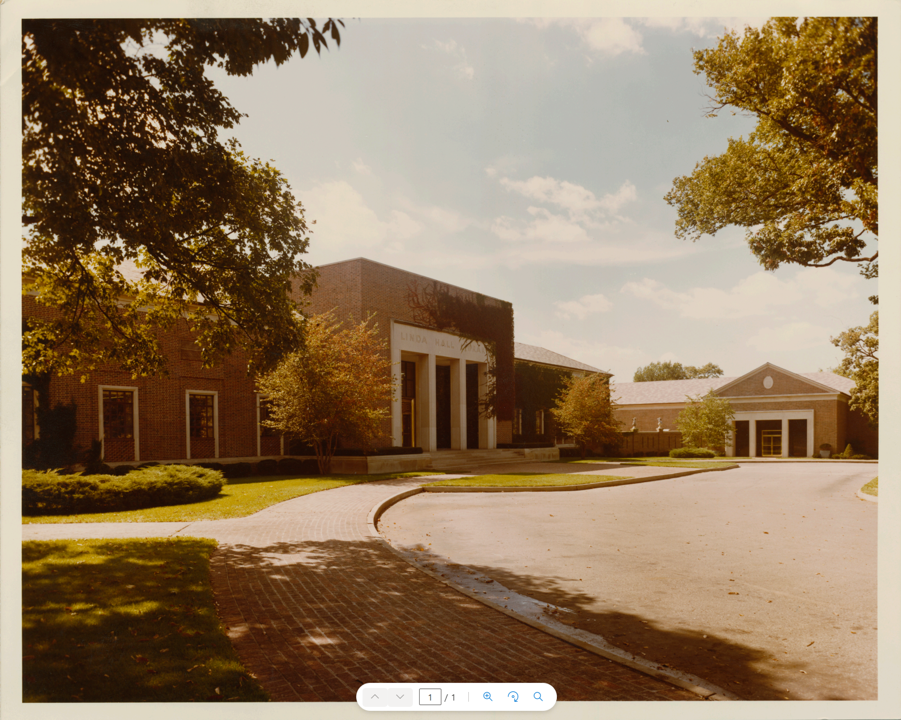
The Linda Hall: A Visual History is available now as the inaugural title from Linda Hall Press. You can read more and purchase a copy through the Linda Hall Website.


Leave a Reply