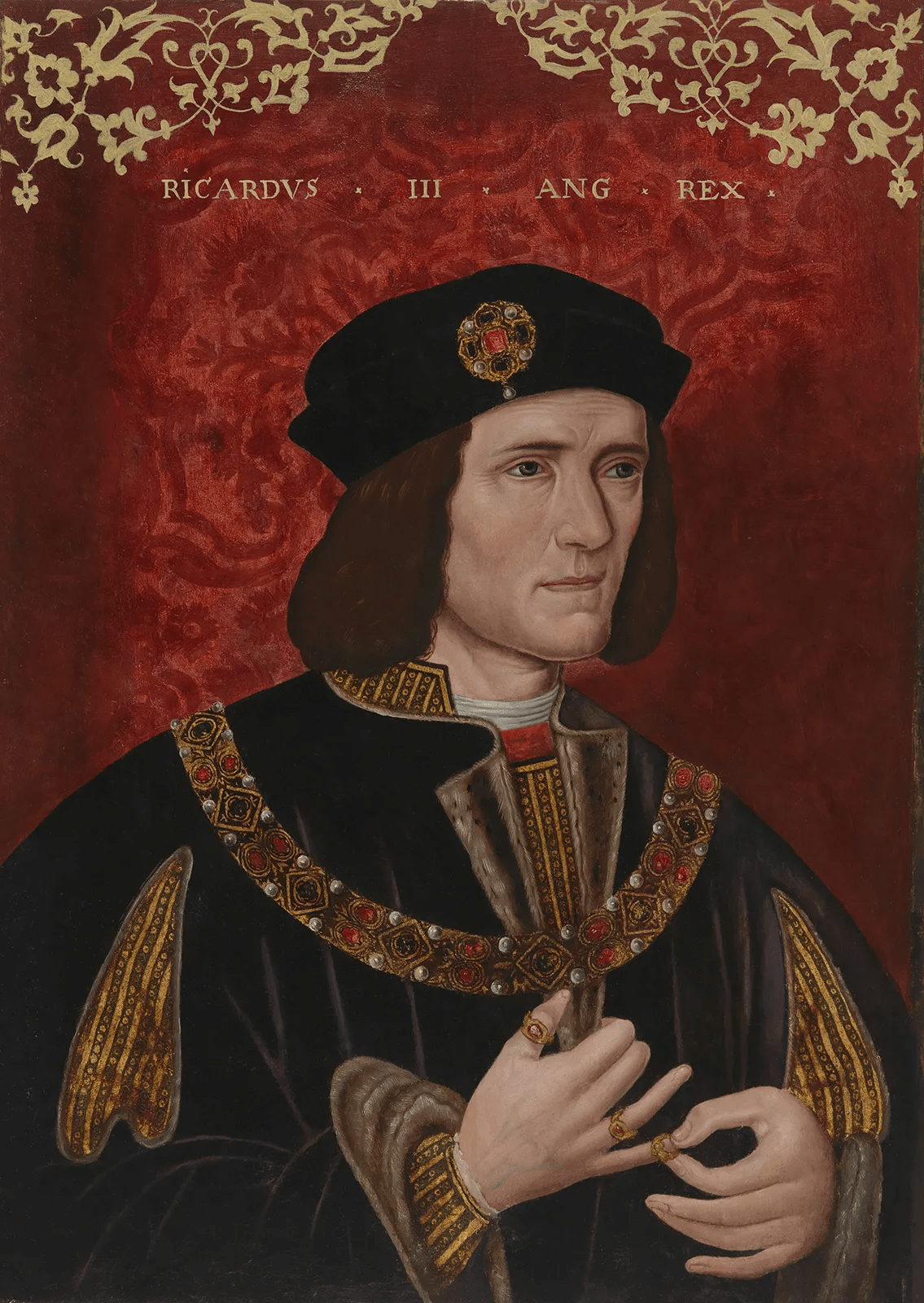
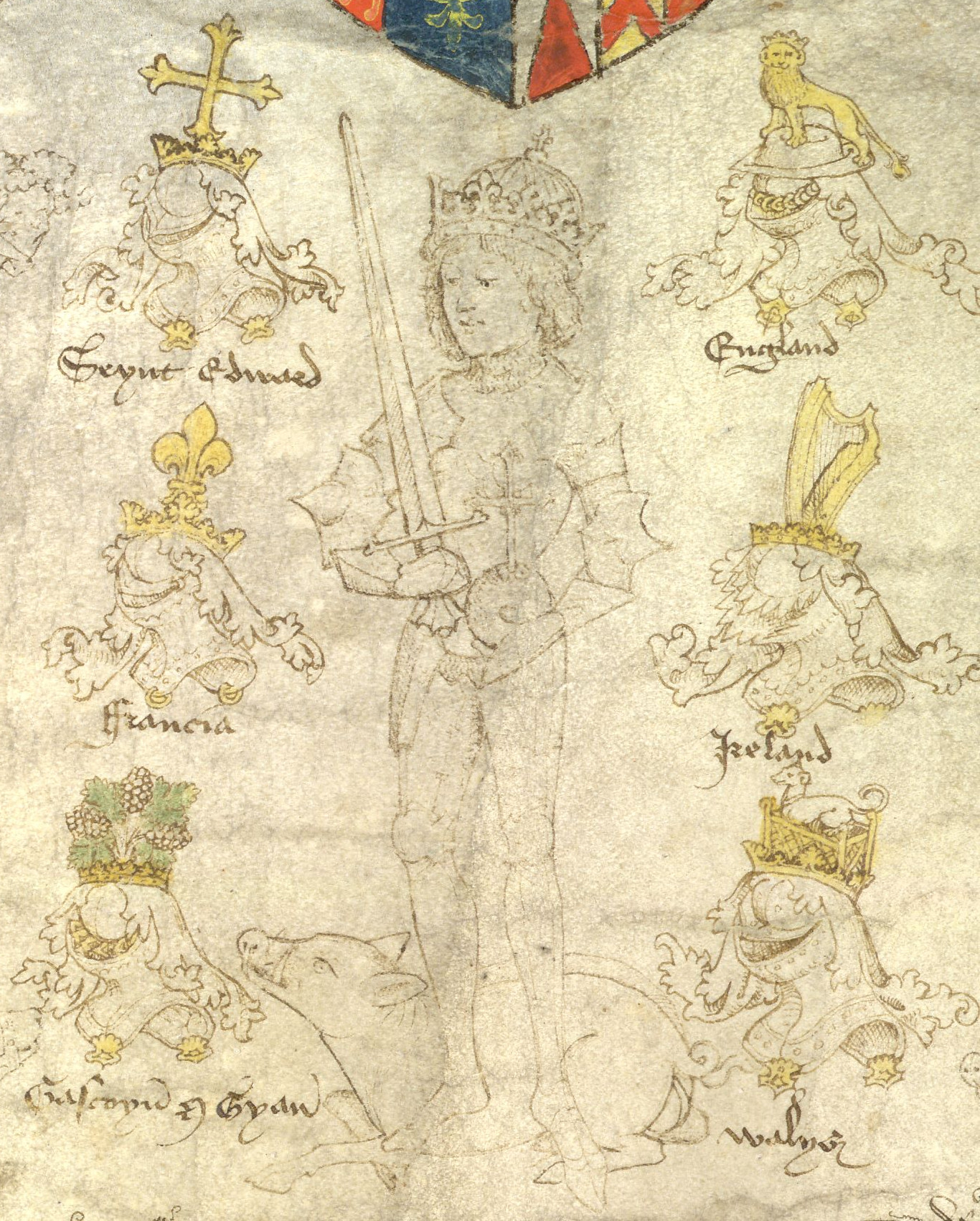
In my earlier Bad Leaders posts, I have written about Caligula, Vlad the Impaler, Henry VIII, Ivan the Terrible, and Nero. Each represents a different flavor of bad leadership. Richard III earns his place in the series for a failure the others largely escaped: he lost custody of his own story, and did so while he was still alive to watch.
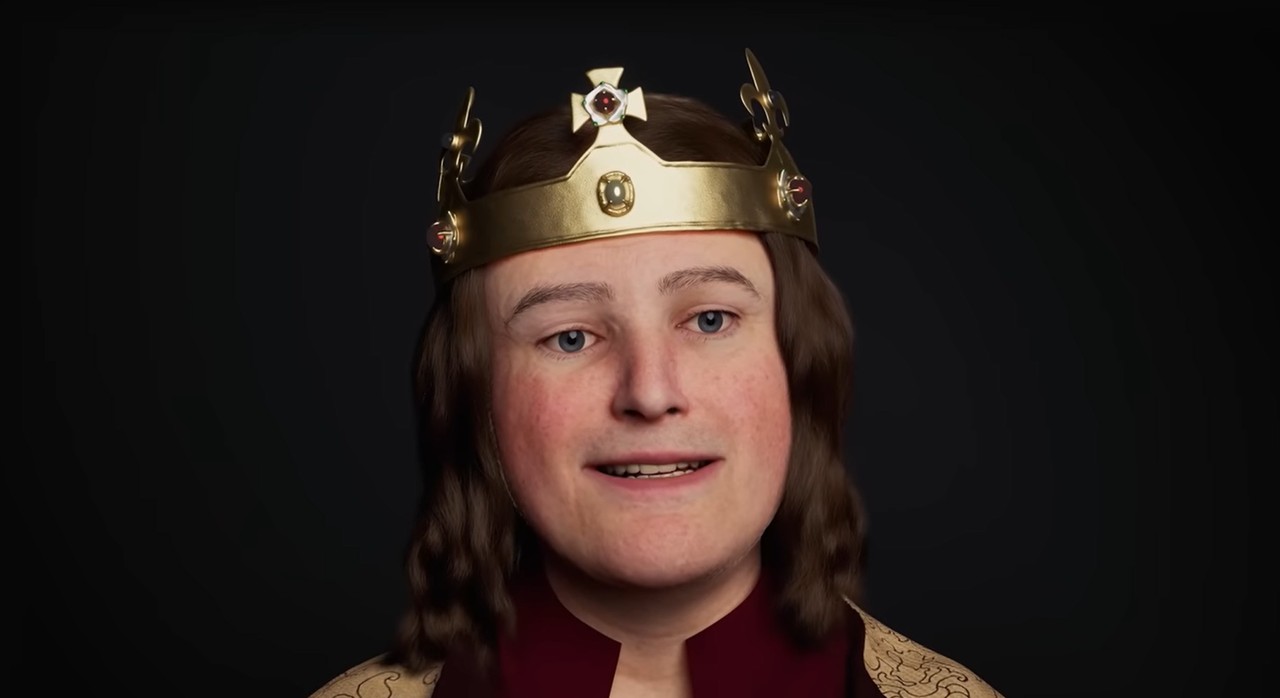
Before I dive in, I’m going to acknowledge that there are a lot of people who to revere Richard and have, as I understand it, explanations for his alleged crimes. I recently watched a fascinating YouTube clip in which researchers and an actor had come together to reconstruct his speaking voice for a live audience. More about the project here. Without a time machine, it’s impossible to know how close they got, but it was pretty compelling. What’s most relevant here, though, were the responses of people afterwards who said they felt much closer they felt to Richard after hearing it.
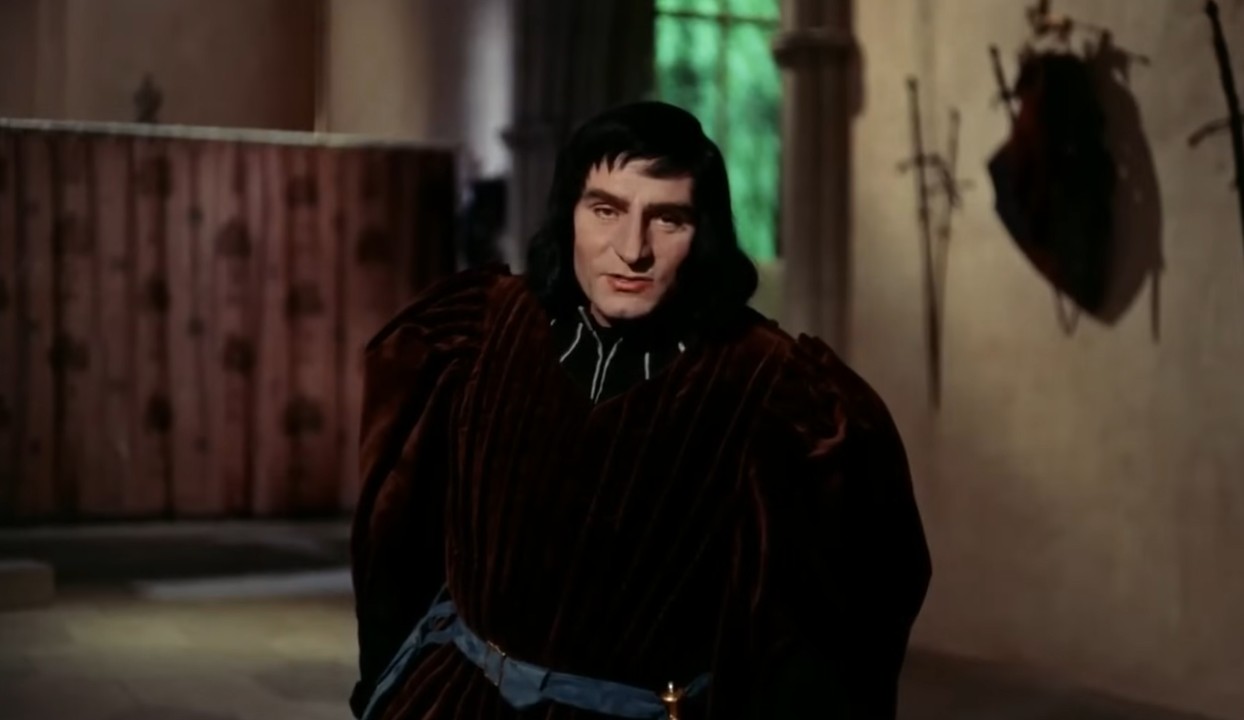
Was Richard truly a bad leader? In my exploration, I’ve tried to stay within the bounds of what’s supported by scientific evidence. In preparation for this post, I watched the opening scene of The Tragedy of Richard III. First the iconic Sir Laurence Olivier version and then the modern and much creepier Royal Shakespeare Company version with Jonjo O’Neill as Richard.
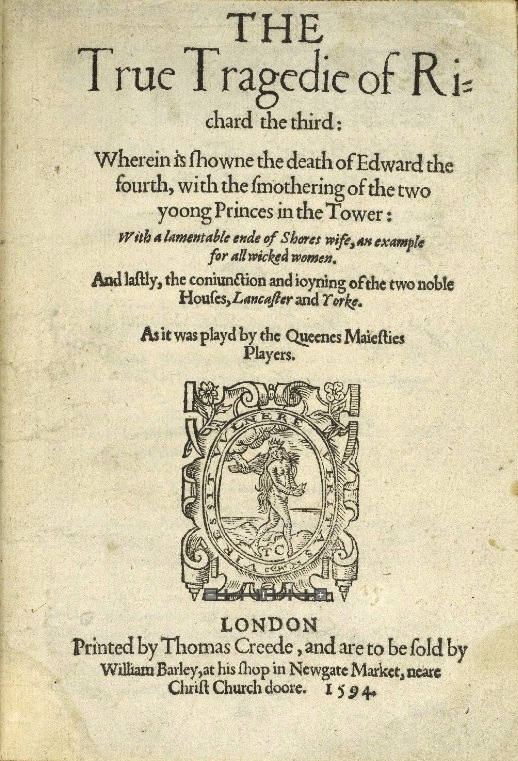
In first 40 lines, Richard (currently Duke of Glouster) surveys the peace his brother’s victory has brought and declares that his hunchback and withered arm render him too misshapen to enjoy its pleasures:
“…Cheated of feature by dissembling nature, Deform’d, unfinish’d, sent before my time, Into this breathing world, scarce half made up,–, And that so lamely and unfashionable, That dogs bark at me as I halt by them…” 1.1
Instead of being a lover, he’s going to become a villain instead.
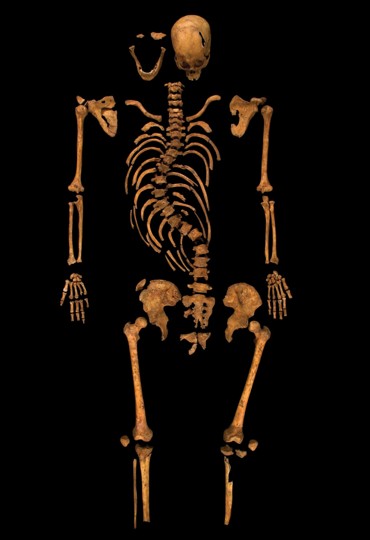
In 2012, archaeologists lifted a skeleton from beneath a Leicester car park and found a spine curved like a question mark. Within months, DNA analysis, radiocarbon dating, and a catalogue of battle wounds confirmed what five centuries of historians had argued about at length: this was Richard III, the last Plantagenet king of England, cut down at Bosworth in 1485. The bones settled some questions immediately. The scoliosis was real, though it developed in adolescence and would have been largely invisible under clothing. The hunchback was not. The withered arm was not. Genetic markers suggested a 96 percent probability of blue eyes and a 77 percent likelihood of blond hair in childhood, which is to say that England’s great Gothic villain probably looked quite angelic. Dogs probably liked him.
This is key, because the body was always the argument. Tudor writers gave Richard a twisted frame so that readers would infer a twisted mind, an inference their era considered sound science. Shakespeare, premiering the play in 1593, was writing for the granddaughter of the man who took Richard’s crown. If Richard Plantagenet was portrayed as handsome and virile (which seems to be closer to the truth) utter villainy would have been harder to swallow.
First, an Audit
But I come to analyze Richard, not to praise him. Before feeling sorry for him, we should be honest about a trap. The claim that a leader was unfairly maligned does not automatically suggest that he or she was good enough for the malice to be unwarranted. Plenty of people who get dragged through the mud arrive there under their own power. Vlad’s press was hostile, and also he impaled people. So, setting aside everything the Tudors invented, what does Richard’s record actually show?
It shows a capable man doing indefensible things at speed. In April 1483 his brother Edward IV died, naming Richard protector of the twelve-year-old Edward V. By June, Richard was king. The legal instrument for this, a claim that Edward IV’s marriage was invalid because of a prior contract with another woman, surfaced with a convenience that even Richard’s modern defenders find awkward. Along the way he had Lord Hastings, his brother’s most loyal councillor, dragged from a meeting and beheaded the same day without trial. Earl Rivers, Richard Grey, and Thomas Vaughan followed at Pontefract on a similarly shaky process. These executions were public, witnessed, and are disputed by nobody.
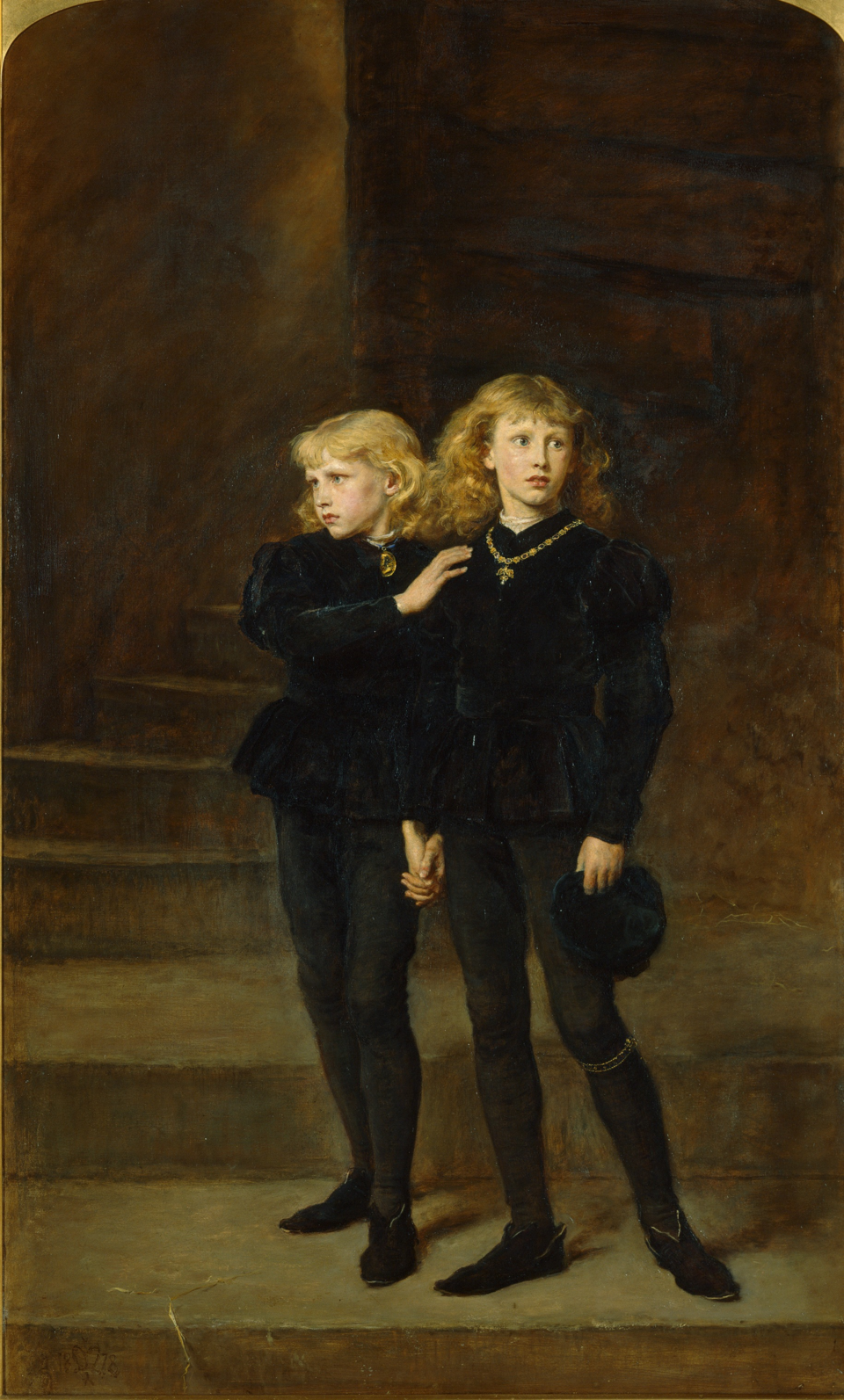
Then there are the princes, Edward V and his younger brother Richard, Duke of York, who entered the Tower of London under Richard’s protection and were never seen again. Whether Richard ordered their deaths is still contested by serious historians, and the evidence is inconclusive. What is beyond dispute, though, is that they vanished while in his custody. Rumors of their murder spread through his kingdom at the time and he never produced them alive, even when doing so could have saved his reign. At minimum, this is a catastrophic failure to account for the two people he was most solemnly obligated to protect.
His political instincts failed him in less obvious ways too. After a rebellion in late 1483, he planted his northern loyalists in southern offices, which the southern gentry experienced as something close to occupation. The strategy narrowed his base at exactly the moment he needed to widen it. The bill came due at Bosworth, where the Stanley family switched sides mid-battle and the Earl of Northumberland’s contingent simply stood by and watched. A king whose army spectates at his death has failed at something deeply fundamental. And the Duke of Buckingham, the ally who did most to put Richard on the throne, rebelled against him within four months of the coronation. Working closely with Richard, seems to have been hard.
The Counterweight
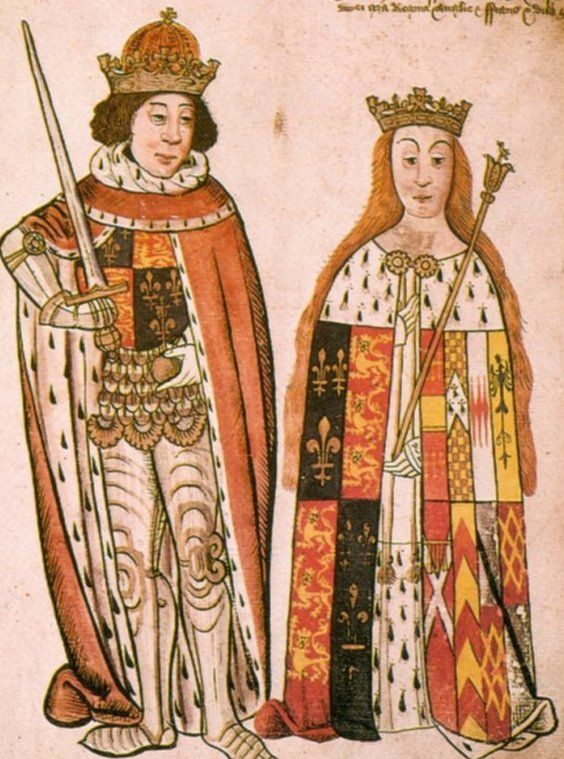
The record also shows the leader the north of England had known for a decade: an able, loyal, apparently incorruptible administrator. As king, Richard’s single parliament produced legislation that reads as strikingly modern. He reformed bail so that suspects could keep their property before conviction and moved against jury intimidation. He had his laws proclaimed in English rather than legal French, on the theory that people should be able to understand the rules governing them. York’s civic records mourned him openly after Bosworth, at some risk, which is more than most usurpers get from their neighbors.
So, the balanced verdict is neither monster nor martyr. Richard was a competent regional governor who seized a throne ruthlessly, secured it clumsily, and could not stop the story of his own crimes from metastasizing into something larger than the crimes themselves.
Why the Monster Beat the Man
Tudor propaganda succeeded through a psychological principle that character assassination is more effective when it inflates rather than invents. Fabrications from whole cloth are brittle. Exaggerations of real sins are durable, because every retelling can point to the true core. Richard genuinely did execute Hastings without trial, so audiences found it easy to believe he poisoned his wife. The mind extends established patterns cheerfully and asks few questions on the way.

Two further mechanisms did the heavy lifting. The first was physiognomy, the ancient conviction that outward appearance advertises the soul. To Richard’s contemporaries “deformed body, therefore deformed mind” was a diagnosis, so by curving Richard’s spine into a hunch and shriveling his arm, Tudor writers were presenting what audiences understood as physical evidence. The 2012 skeleton is a rare case of the evidence surviving to testify for itself, and it convicts the chroniclers of tampering. The scoliosis they exaggerated; the arm they invented outright.
The second mechanism is human appetite for coherent characters. A ruthless operator who also reformed bail law and was mourned by York is a complicated story, which transmits more poorly than the tale of a murderous hunchback. Narratives, like organisms, face selection pressure and the characteristic of the most vigorous variant is repeatability, rather than accuracy. Shakespeare didn’t defeat the historical Richard. He outcompeted him.
The Failure Itself
It would be tidy to say Richard’s reputation was murdered posthumously, but the record is crueler than that. He lost the narrative war in his own lifetime. The rumors about the princes broke his support in the south while he lived. When his wife Anne died and gossip claimed he had poisoned her to marry his own niece, Richard was reduced to summoning London’s worthies to Clerkenwell and denying it aloud. A king publicly pleading not guilty to his own subjects is not one who holds the confidence of his people. By the time Shakespeare picked up the material, the man’s contemporaries had already roughed out the monster. The playwright supplied polish, iambic pentameter, and a withered arm.
That, I think, is the lesson Richard offers the series most uniquely. While a leader’s story is a byproduct of leadership, it’s also one of its instruments, and losing it can be as consequential as losing a battle. Richard’s soldiers stood by and watched at Bosworth largely because the story of their king had already gone somewhere beyond the scope of his commands.
The skeleton under the car park corrected what it could. Bones can refute a hunchback. They can estimate eye color and count the eleven blade wounds, several to a helmetless head. But they cannot acquit. The bent spine belonged to a real man who was better than his legend and worse than his apologists, and who learned, earlier than most, that the throne and the story are separate possessions. The first, he held for twenty-six months. The second, not at all.
Sources and Further Reading
The scientific evidence
King, T. E., et al. (2014). “Identification of the remains of King Richard III.” Nature Communications 5: 5631. The genetic study confirming the skeleton’s identity, including the eye and hair color probabilities.
Appleby, J., Mitchell, P. D., et al. (2014). “The scoliosis of Richard III, last Plantagenet King of England: diagnosis and clinical significance.” The Lancet 383(9932): 1944. Establishes adolescent-onset scoliosis and the absence of other skeletal abnormality.
Appleby, J., Rutty, G. N., Hainsworth, S. V., et al. (2015). “Perimortem trauma in King Richard III: a skeletal analysis.” The Lancet 385(9964): 253–259. The forensic account of his battle injuries.
University of Leicester, “The Discovery of Richard III” (le.ac.uk/richard-iii). The university’s archive of the Greyfriars excavation, identification, and facial reconstruction.
Contemporary and near-contemporary accounts
Mancini, D. The Usurpation of Richard III (written 1483). An Italian visitor’s account of the events of that summer, composed before Tudor influence.
The Crowland Chronicle Continuations (1486). The insider chronicle covering Richard’s reign, including the Clerkenwell denial.
Titulus Regius (1484). The parliamentary act setting out Richard’s claim to the throne.
More, T. The History of King Richard III (c. 1513) and Shakespeare, W. Richard III (c. 1593). The Tudor tradition itself, read here as evidence of method rather than of fact.
Modern scholarship
Ross, C. (1981). Richard III. Yale English Monarchs series. Still the standard scholarly biography, balanced on the usurpation and the princes.
Horrox, R. (1989). Richard III: A Study of Service. Cambridge University Press. The essential analysis of Richard’s affinity, his northern power base, and its southern plantation after 1483.
Kendall, P. M. (1955). Richard III. The most influential sympathetic biography, useful as a counterweight to Ross.
Hicks, M. (2019). Richard III: The Self-Made King. Yale University Press. A recent critical assessment, sharp on the propaganda question in both directions.


Leave a Reply