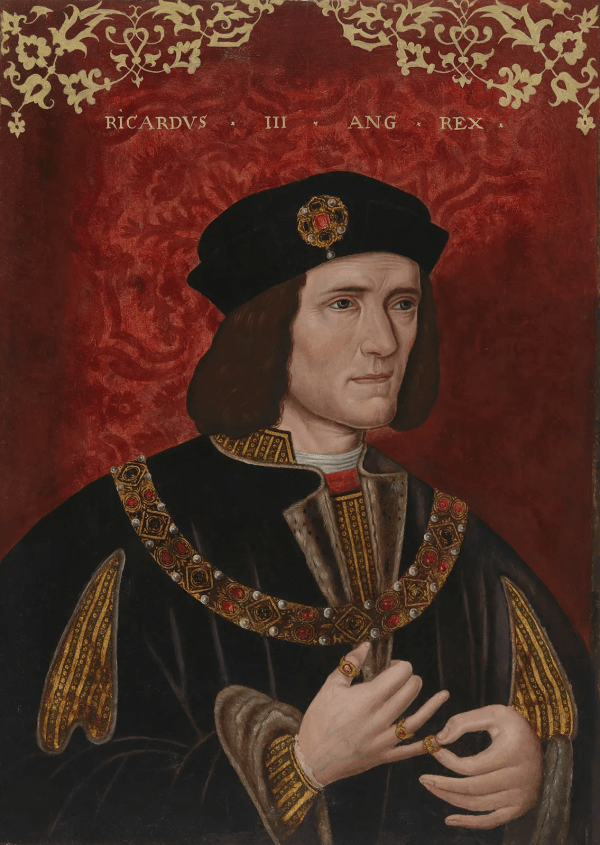
Richard III's documented crimes were real, but Tudor propaganda inflated them into legend, exaggerating his body to condemn his mind. His deeper failure was losing control of his own story while he still lived.
The Psychology of Nero: Narcissism, Impunity, and the Emperor Who Fractured Rome
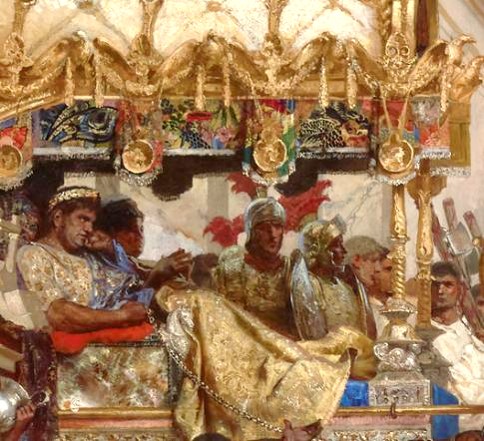
Nero's catastrophic reign was less the product of individual pathology than of a political system that had already dismantled its own accountability. Grandiose narcissism shaped his psychology, but Rome created the conditions in which that psychology could operate unchecked for fourteen years.
Ivan the Terrible and the Failure of Absolute Power
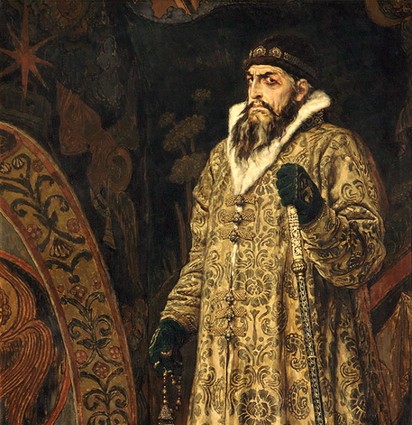
Ivan the Terrible ruled through fear mistaken for strength, converting childhood trauma into absolutism. His paranoia dismantled institutions, devastated Russia, and proved that unchecked power amplifies insecurity, rewards cruelty, and destroys states claimed to protect.
Emperor Palpatine: A Case Study in Narcissistic Leadership
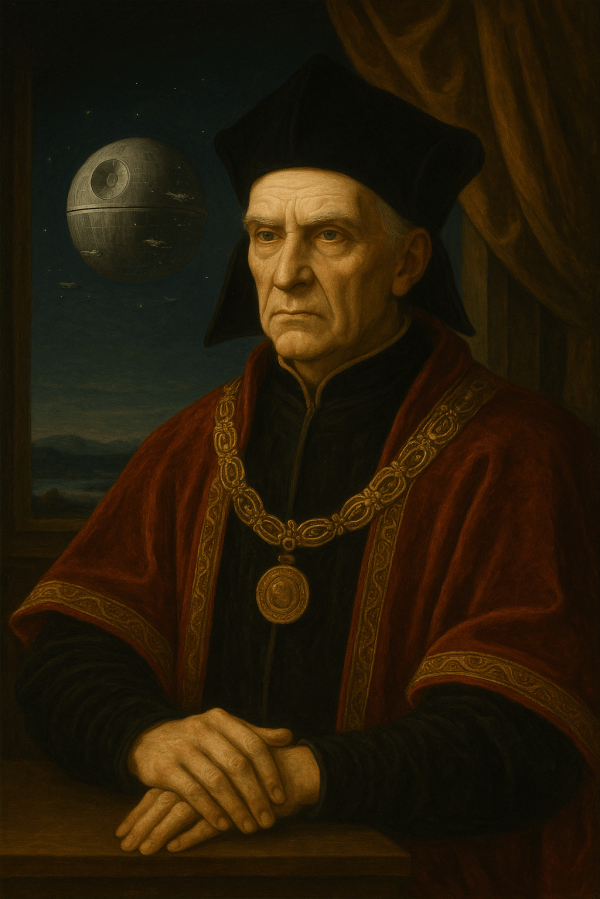
The analysis explores how Emperor Palpatine's narcissism drove his destructive leadership, fostering a culture of flattery and manipulation that ultimately led to his downfall through disillusionment, not rebellion.
Dracula, Vlad the Impaler, and the Science of Fear
The Legend and the Man Vlad the Impaler dining amongst his victims. German, published posthumously (1499), twenty-two years after his death. Vlad III, known as Vlad the Impaler (1448-1477), has long been entangled with the legend of Count Dracula. Bram Stoker’s vampire borrows his name and homeland, but the real Vlad was no immortal creature... Continue Reading →