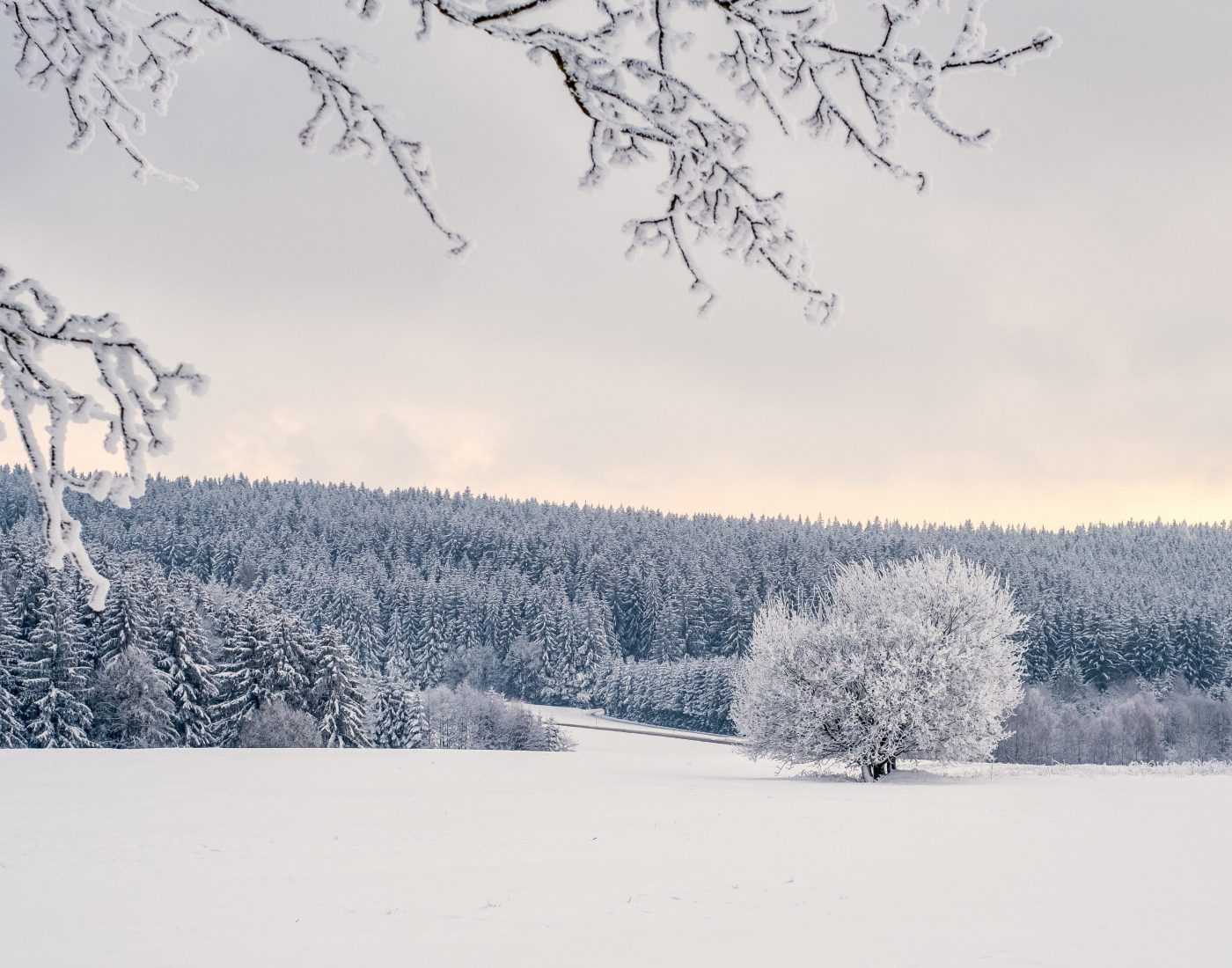
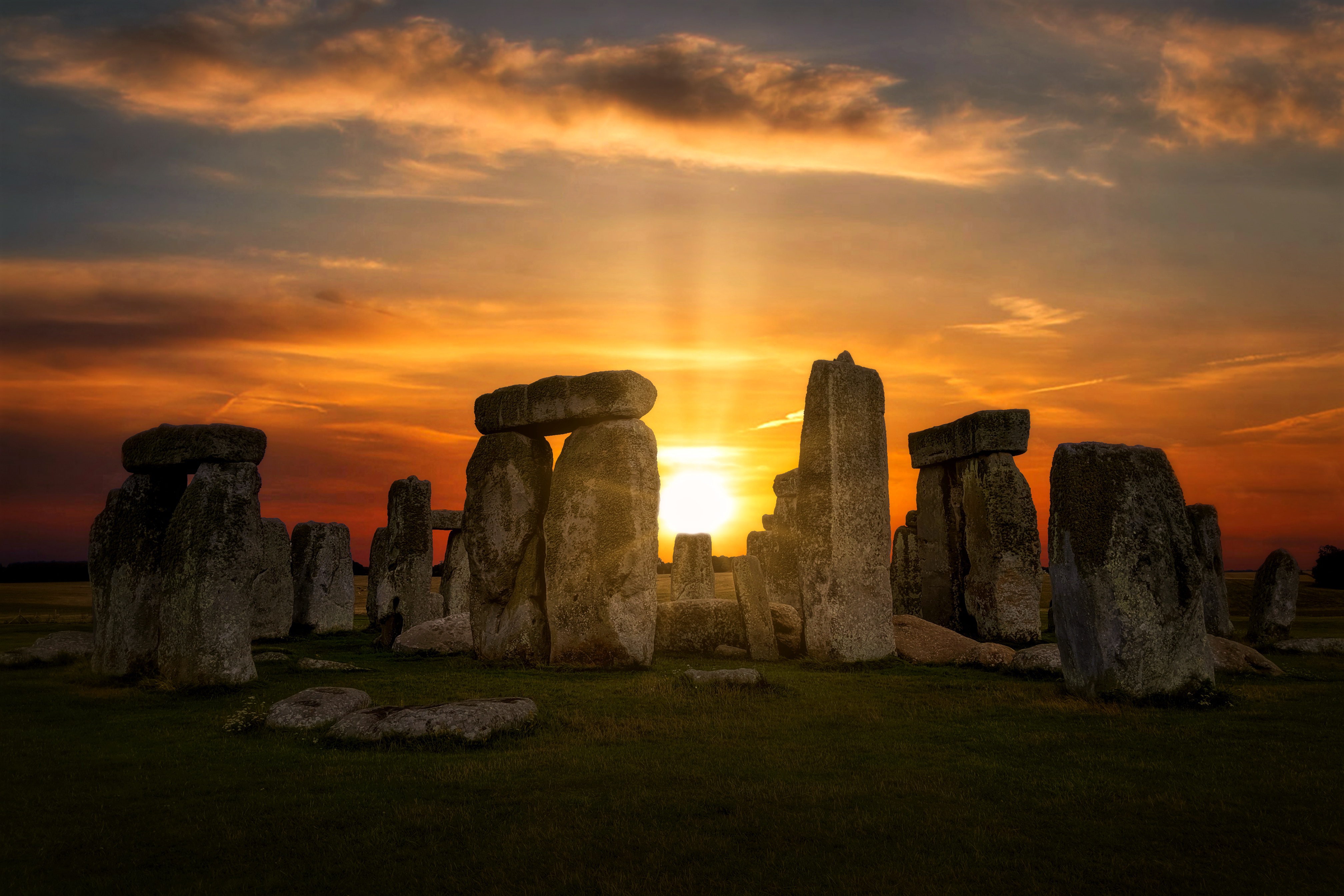
For ancient cultures, the solstices held profound significance, marking critical points in the natural cycle of life. For me, the most compelling were the Druids, who celebrated the winter solstice as the rebirth of the sun, a moment of hope as the days began to lengthen once more. They gathered at sacred sites like Stonehenge, which were carefully aligned with the solstice sunrise, to honor the renewal of light and life. The summer solstice, at the other side of the year, was a time of abundance and vitality, celebrated with bonfires, feasting, and rituals to honor the sun at its zenith. These celebrations were deeply tied to agricultural cycles and spiritual beliefs, reflecting humanity’s reliance on and reverence for the rhythms of nature.
In these days of supermarkets and HVAC systems, daily life is far more removed from seasonal cycles. So every winter, I find myself grumpily pondering the same question: if the days are shortest around the winter solstice, why isn’t it absolutely freezing then?
Why Isn’t It Coldest When the Days Are Shortest?
Instead, it feels like winter really digs in weeks later, with February mornings often delivering the bitterest cold. Summer is the same puzzle in reverse: just when the days start getting shorter, the real heat kicks in and sticks around until late July. It’s counterintuitive. You’d think temperature would track day length but the relationship, it turns out, isn’t quite that simple. The answer lies in the seasonal lag, which relates to how our planet absorbs and releases heat.

The Mystery of Short Days and Warm Land
Even though the winter solstice marks the shortest day and least sunlight of the year, Earth’s surface doesn’t respond instantly to the change. After months of cooling, the land, air, and oceans are still shedding heat faster than they can absorb the meager winter sunlight. It’s only after this balance starts to shift, around late January or February, that the warming begins.
Think of it like this: if you turn off the heat in your house on a cold night, it doesn’t freeze immediately. The walls, floors, and furniture hold onto the warmth they’ve absorbed, releasing it slowly. The Earth works the same way, taking time to fully cool down after the long days of summer.
This delay means the coldest part of winter doesn’t align with the shortest day, even though the lack of sunlight feels like it should make things colder.
Why Isn’t Summer Hottest When the Days Are Longest?
Summer brings the reverse phenomenon. After the longest day of the year in June, the sunlight starts to decrease. Yet the hottest days of the year usually arrive weeks later, in July or even early August.
Why? Because the ground and oceans are still storing heat. During and after the summer solstice, the energy from the sun keeps piling up faster than it can be released. It’s only after weeks of heat buildup that temperatures peak.
This delayed response to sunlight, both in summer and winter, is the seasonal lag. Seasonal lag grows as you move poleward. Near the tropics, the sun’s angle and day length barely change, incoming energy stays steady, and temperatures track solar input closely. Toward the poles, everything amplifies. Day length swings wildly, winter insolation collapses, and vast reservoirs of heat in oceans, ice, snow, and soil bleed energy slowly. By the time the solstice passes, the system is still losing more heat than it gains, so temperatures keep falling. Counter-intuitively, the lag peaks in mid-latitudes where oceans and atmosphere can store and move heat efficiently. The high Arctic has huge seasonal contrast but less stored heat to release, so the curve sharpens rather than stretches.
The Oceans Slow Everything Down
The oceans play a critical role in this process. Water heats up and cools down much more slowly than land, so it acts like a massive buffer, smoothing out temperature changes. If you live near the coast, you’ve probably noticed this: winters aren’t quite as harsh, and summers don’t get as scorching as they do inland.

At the same time, the atmosphere redistributes heat through winds and currents, further slowing the temperature response. These systems are why nature doesn’t switch seasons on and off like a light bulb.
What About Climate Change?
Climate change stretches, blurs, and regionalizes the seasonal lag. Warmer oceans, soils, and air hold more energy, so that extra heat leaks out slowly, extending the time gap, especially in fall and early winter. The system takes longer to cool, even after sunlight bottoms out. Meanwhile, snow and sea ice once acted as mirrors, through albedo, and as refrigerators. With less of both, polar and high-latitude regions absorb more heat in summer and lose a key cooling mechanism in winter. That can delay the coldest point or flatten it entirely.
As with the lag itself, geography plays a major role in what is affected by climate change. The Arctic warms faster than the rest of the planet. Winters still arrive late, but they often arrive warmer and more variably, with cold snaps replacing sustained cold. The lag remains, but it looks jagged rather than smooth. By contrast, in the more constant equatorial zone, little changes. In the mid-latitudes, where oceans, storms, and land interact, lag becomes less predictable. Think warmer winters, later freezes, and spring arriving before winter feels finished. This is why “climate destabilization” is often more accurate than “climate change.”
Day Length Versus Temperature
Day length provides a precise signal. Temperature follows through accumulation. Seasonal lag occupies the space between the two, expressing how Earth absorbs energy, stores it, and releases it over time. Ancient cultures grasped this intuitively. For the Druids, the winter solstice marked renewal through direction. The return of light signaled a turning point in the cycle, a shift already underway. Meaning resided in movement and orientation.
Modern life softens direct contact with the seasons. Climate control, global supply chains, and stored energy smooth experience. The planet continues its steady exchange of energy among land, ocean, and atmosphere. Seasonal lag reflects that continuity. Timing emerges from process and flow. In a warming world, this relationship becomes easier to observe. The lag persists, shaped by oceans that retain heat longer, landscapes that cycle differently, and air that carries energy across vast distances. The mechanism stays familiar. The expression evolves.
Seasonal lag offers a way to read the present moment. It rewards attention to motion, sequence, and trajectory. In that sense, it reconnects us with an older understanding: change reveals itself first through direction, and arrival follows in its own time.
 ERIC DORFMAN
Meanwhile in Aotearoa New Zealand, the lag puts the hottest days in February. The weather around Christmas New Year is often wet and windy as it has been this year with some unstable weather systems feeding on tropical moist air sucked into Southern Ocean Lows.
Here is a question that bemused me and must have made others wobbly: Why is the shortest day not also the latest sunrise and earliest sunset? The clue is in the word wobbly.