

Today, June 22, is World Rainforest Day. It’s a day I’m happy to observe. Over the years, I’ve had the great good fortune of visiting, and occasionally working in, some of the world’s most majestic rainforests. The arching canopies tinting everything beneath with a wash of green, the the constant hum of insects punctuated occasionally by the racket of a hornbill or a monkey traveling unseen through the verdant ocean above – all this creates memories that will never leave me.
Unfortunately, those memories are now dampened by worldwide alarm over the catastrophic loss of these critically important bioregions. The steadily increasing loss of world’s rainforests has ushered concerns for decades. In 2008, King Charles, then Prince of Wales, delivered a lecture at the Presidential Palace in Jakarta, Indonesia. His themes were environmental stewardship, climate change, and the need for uniting with a sense of urgency. “Forests … are in fact the world’s air-conditioning system—the very lungs of the planet—and help to store the largest body of freshwater on the planet … essential to produce food for our planet’s growing population. The rainforests of the world also provide the livelihoods of more than a billion of the poorest people on this Earth… In simple terms, the rainforests, which encircle the world, are our very life-support system—and we are on the verge of switching it off.”
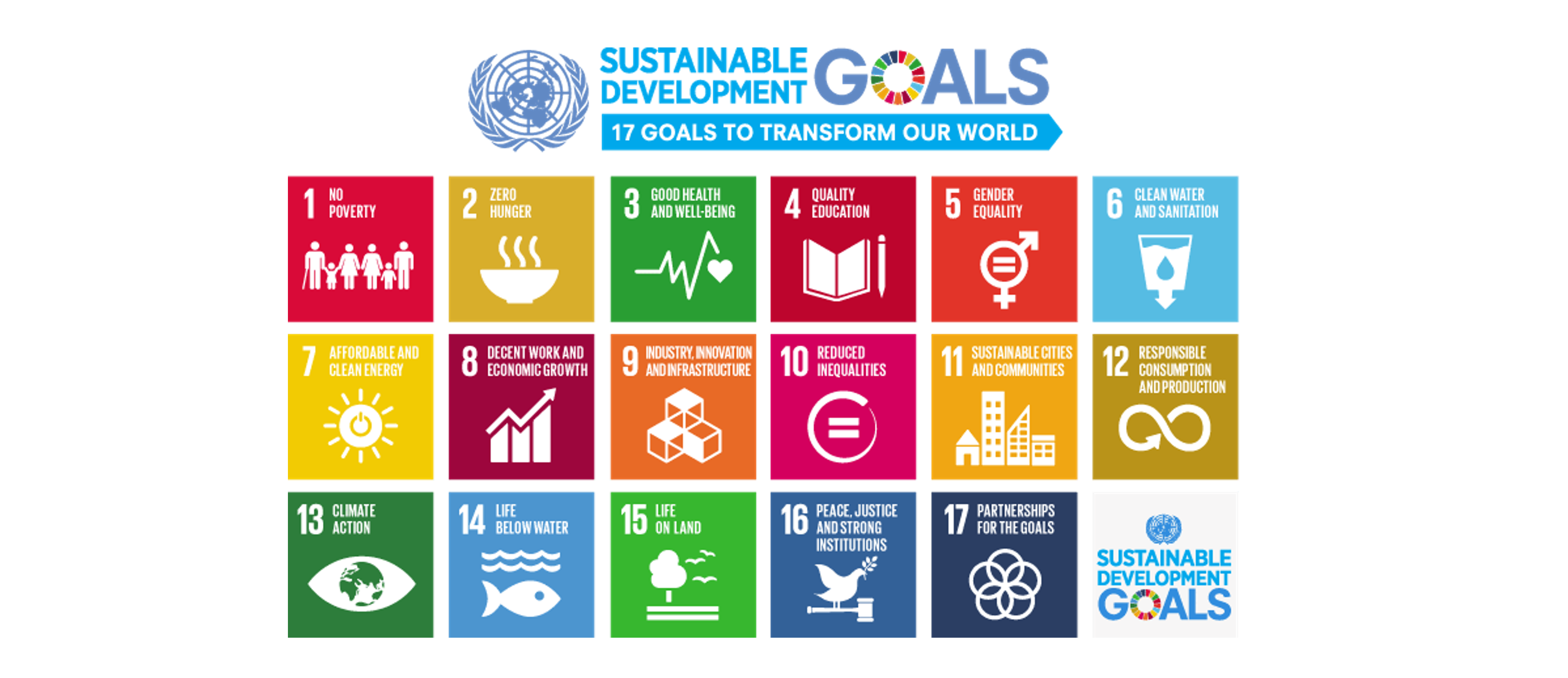
In 2015 United Nations member countries adopted the UN Sustainable Development Goals (SDGs) to guide the global development agenda to 2030. In doing so, the signatories made a commitment to wise use of the planet, ensuring all species – including humans – have a place to live for the foreseeable future. Unfortunately, most of these goals are failing to win traction. The most recent report of the UN Economic and Social Council, in draft until it’s ratified at the SDG summit this September, starts with a sobering message. “Leave no one behind. That defining principle of the 2030 Agenda for Sustainable Development is a shared promise by every country to work together to secure the rights and well-being of everyone on a healthy, thriving planet. But halfway to 2030, that promise is in peril. The Sustainable Development Goals (SDGs) are disappearing in the rear-view mirror – and with them the hope and rights of current and future generations. A fundamental shift in needed – in commitment, solidarity, financing and action – to put the world on a better path. And it is needed now.”

Most pertinent to the issue of rainforests is SDG 12: Responsible Consumption and Production. In it, signatories agreed to make fundamental changes to the way societies across the globe produce and consume environmental goods and services. The current full scale deforestation of these areas are related either directly or indirectly to consumption of commodities like beef, soy, palm oil, and wood products, as well as a host of smaller crops like coffee, rubber, and sugar. Animals for a rampant illegal pet trade also contribute to this overconsumption. The Union of Concerned Scientists estimates that an area the size of Switzerland (14,800 square miles, or 38,300 square km) is lost to deforestation every year. Based on data from United Nations Food and Agriculture Organization (FAO), in 1970 when records started Brazil’s rainforests (the largest component of the Amazon) covered 4,100,000 square km (2,547,622 square miles). In 2008, when Prince Charles made his speech, 17% was gone. When the SDGs were agreed to in 2015, about 19%. As of last year, a total of 20% of the rainforests of Brazil have been bulldozed. Little wonder it’s been estimated that because of habitat destruction, Amazonia is now a net carbon source, rather than a sink.
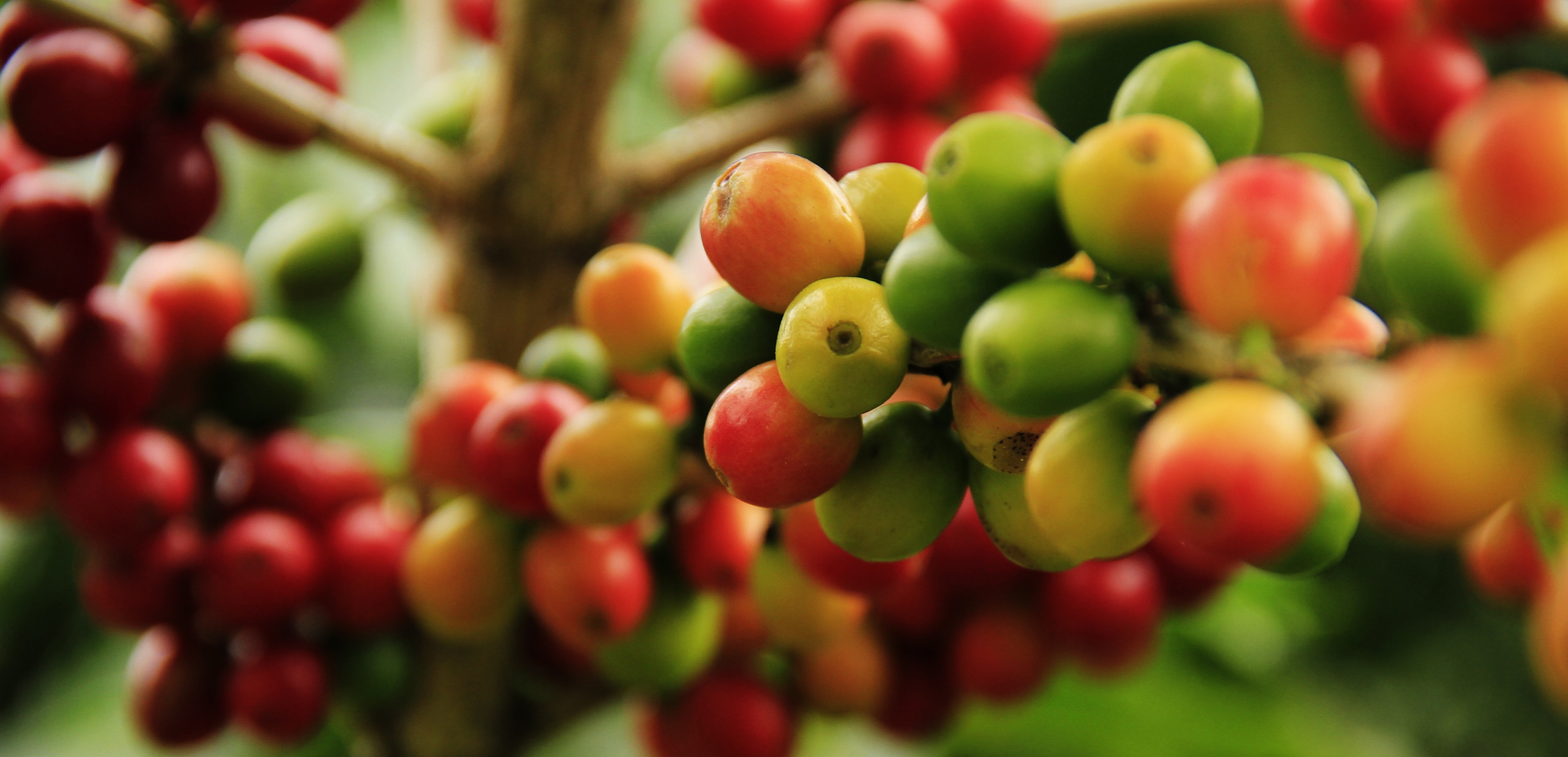
With statistics like these, there seems little to celebrate. But an activity that raises awareness about what we can do as ordinary citizens is critically needed. World Rainforest Day was begun in 2017 by a collaboration of groups who come together to form the Rainforest Partnership. With the 2023 theme “Conserve. Restore. Regenerate,” the celebration takes the form of a virtual summit with keynote presentations and opportunities to connect with people on themes like Education, Biodiversity, and Indigenous issues. If you missed the summit but still want to help the rainforests, the Rainforest Foundation US has a list of things we can all do to help through our daily activities. Here are a few: 1) eliminate the products of deforestation (e.g. unsustainable beef, soybean, and palm oil) from your diet; 2) buy responsibly sourced products (gold, wood, coffee, cocoa, cut flowers) and look for rainforest certification on packaging; 3) support indigenous communities by purchasing fair trade commodities that support their local economy and help them protect their environment. These may seem paltry in comparison to the massive scale of rainforest destruction worldwide, but much of what happens is driven by consumption in the developed world. And the sad irony is that, as shown in this report by the FAO, this handful of products is displacing biodiverse native ecosystems which are potentially harboring important cures for some of our most intractable diseases.
I like to think that rainforests, like coral reefs, which have lasted for millions of years, will outlast the human species. Annual celebrations like the World Rainforest Day or International Bat Appreciation Day keep these issues a little more top of mind, where they belong.
 ERIC DORFMAN
Leave a comment