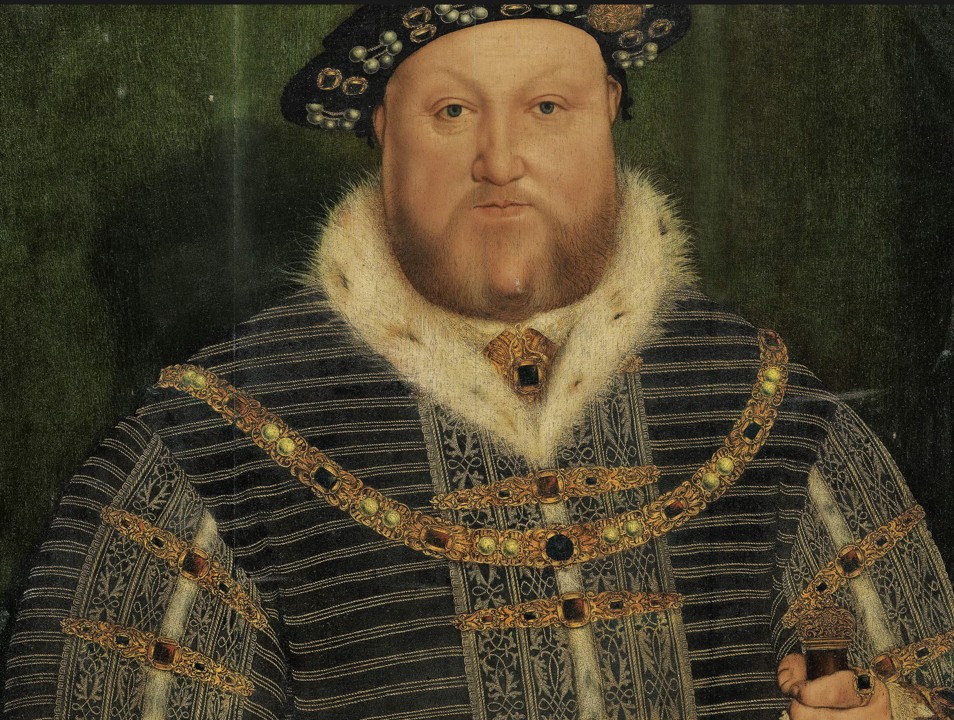
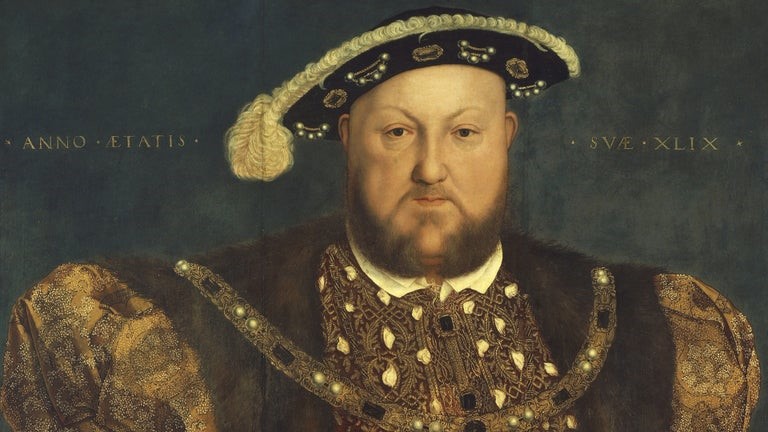
Henry VIII is a fascinating figure. Infamous for his six marriages, he also established the Church of England, and the dissolved monasteries, cleaned up the River Thames, and founded Christ Church at the University of Oxford. He even took steps to protect the English fishing industry. His reign profoundly shaped the course of English history. And yet, this same king beheaded two of his wives (Anne Boleyn and her first cousin Catherine Howard), as well 72,000 others, including the great thinker Sir Thomas Moore and statesman Thomas Cromwell. He’s believed to have weighed, by the end, around 400 pounds (180 kg) and (based on his expense accounts), his diet of meats, pastries, and ale was punctuated with sweets like marzipan, gingerbread, and candied fruit and nuts.
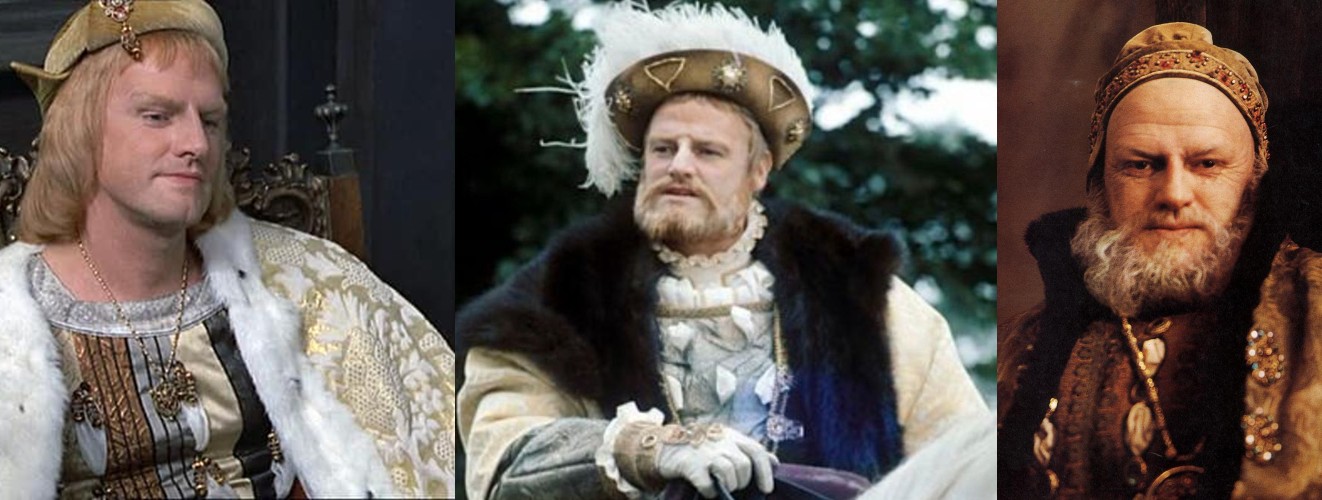
But the ruthless, unpredictable despot of popular memory wasn’t always this way. Early in his reign, Henry was celebrated by his contemporaries as the ideal Renaissance prince: athletic, cultured, and admired for his intellect.
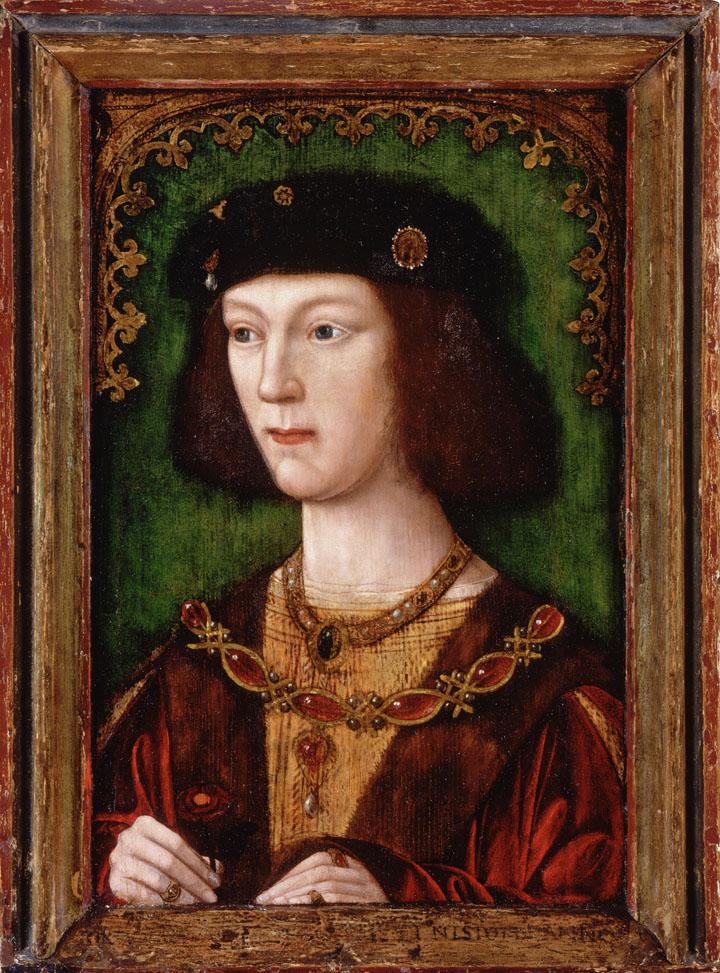
The young Henry was considered a shining example of Renaissance ideals. He was a skilled musician, a keen athlete, and, for much of his early reign, a fair and just ruler. Known for his charisma and intellect, he was admired by his subjects and envied by European nobility. Under his rule, England appeared poised to become a cultural powerhouse, embracing new ideas and innovations with enthusiasm. His court was a center of learning and culture, where the arts and sciences flourished.
One of the most spectacular demonstrations of his Renaissance values and ambitions was the Field of the Cloth of Gold in 1520, a grand diplomatic event held between Henry and Francis I of France. This gathering of lavish tents, tournaments, and feasting was designed to display Henry’s sophistication, power, and commitment to fostering alliances through shared cultural achievements.
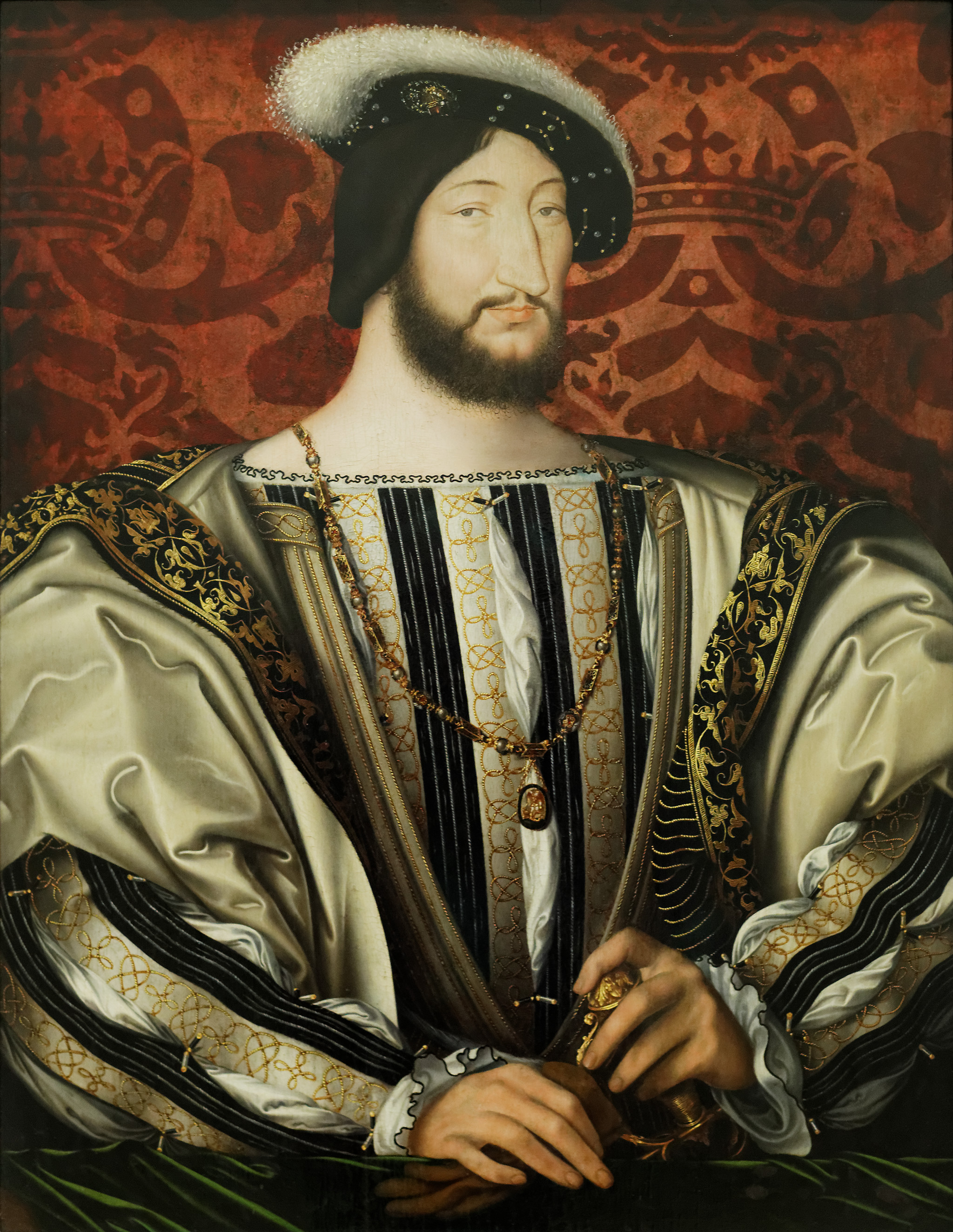
From Enlightened Prince to Frightening Totalitarian
So what happened? Did he succumb to political personal pressures of the time or was there an underlying medical condition that changed his personality? There have been numerous medically-based hypotheses.
One compelling one is lead poisoning. Henry suffered from chronic leg ulcers, which were treated with ointments detailed in the medical manuscript Sloane MS1047, now housed in the British Library. Many of these treatments contained lead-based compounds, which, when absorbed through broken skin, can cause psychiatric symptoms, including aggression. This raises the intriguing possibility that lead poisoning from his ulcer treatments, rather than or alongside the head injury, may have contributed significantly to his deteriorating personality.
One theory suggests that a traumatic brain injury (TBI) might have been the catalyst. In 1536, Henry was knocked unconscious during a jousting tournament and lay comatose for two hours. Following this accident, his behavior appeared to change dramatically. Could this head injury have altered his personality? It’s an intriguing idea, particularly in light of modern research into brain trauma.
But by the latter part of his reign, a very different Henry emerged—one whose paranoia and cruelty drove many of his closest advisors to the scaffold, and who executed two of his six wives. This shift in behavior has long been attributed to political stress, unchecked power, or even diseases like syphilis. But recent theories suggest a different medical explanation: traumatic brain injury. Historians often ask why, and what happened to transform him into the mercurial, violent figure we now remember?
The Impact of TBIs: Could Henry VIII Be a Case Study?
Modern research shows that TBIs can cause lasting changes in personality and behavior. According to the Mayo Clinic, symptoms of TBIs include memory problems, mood swings, aggression, and impulsivity—all traits that became more pronounced in Henry after his 1536 accident. The idea that his injury may have fundamentally altered his brain chemistry isn’t far-fetched when you look at similar cases throughout history.

Take, for example, the case of Phineas Gage, a 19th-century railroad worker who suffered a traumatic brain injury when an iron rod was driven through his skull. Before the accident, Gage was known as responsible and mild-mannered. Afterward, his personality shifted dramatically—he became erratic, short-tempered, and impulsive. Gage’s case is one of the most famous examples of how physical trauma to the brain can lead to profound psychological changes, similar to what we might have seen with Henry.
Athletes who experience concussions, particularly in contact sports like American football, also show behavioral shifts after repeated head injuries. Chronic traumatic encephalopathy (CTE), a degenerative brain disease linked to concussions, has been found to cause aggression, poor judgment, and depression—symptoms that mirror Henry’s erratic and increasingly tyrannical actions.
Why Has This Theory Been Overlooked?
Despite the plausibility of a TBI being responsible for Henry’s later behavior, this theory remains largely unexplored in popular discussions of his reign. There could be several reasons for this. First, our historical records focus on the political, rather than the medical, aspects of Henry’s life. Renaissance medicine was not equipped to recognize or treat TBIs, and doctors at the time would have had no idea that such an injury could affect personality. This lack of documentation makes it difficult for modern historians to build a definitive case for a TBI diagnosis.

Additionally, there’s a stigma around brain injuries that persists even today. We tend to think of historical figures like Henry VIII in moral terms, attributing his cruelty to a lust for power or personal failings. It’s easier to believe he was corrupted by absolute authority than to accept the more complex possibility that his actions were influenced by a medical condition. In the modern world, brain injuries are still poorly understood by the general public, and those who suffer from them often face stigma. A narrative that humanizes Henry by framing his actions as a consequence of TBI might make his legacy harder for some to reconcile.
Alternative Explanations
Of course, not everyone agrees with the TBI hypothesis. Some historians argue that Henry’s actions were driven more by the political and personal pressures of his time. As a monarch, Henry faced constant threats from within his court and from foreign powers. His need to secure a male heir and preserve the Tudor dynasty likely contributed to the increasingly desperate and draconian decisions he made in his later years.
There’s also the possibility of syphilis, which has long been suggested as a cause of his physical and mental decline. Syphilis was rampant in Europe during the Renaissance, and its later stages can lead to neurological damage, causing erratic behavior, paranoia, and mood swings. However, there is no direct evidence that Henry suffered from syphilis, and recent scholars tend to favor other explanations.
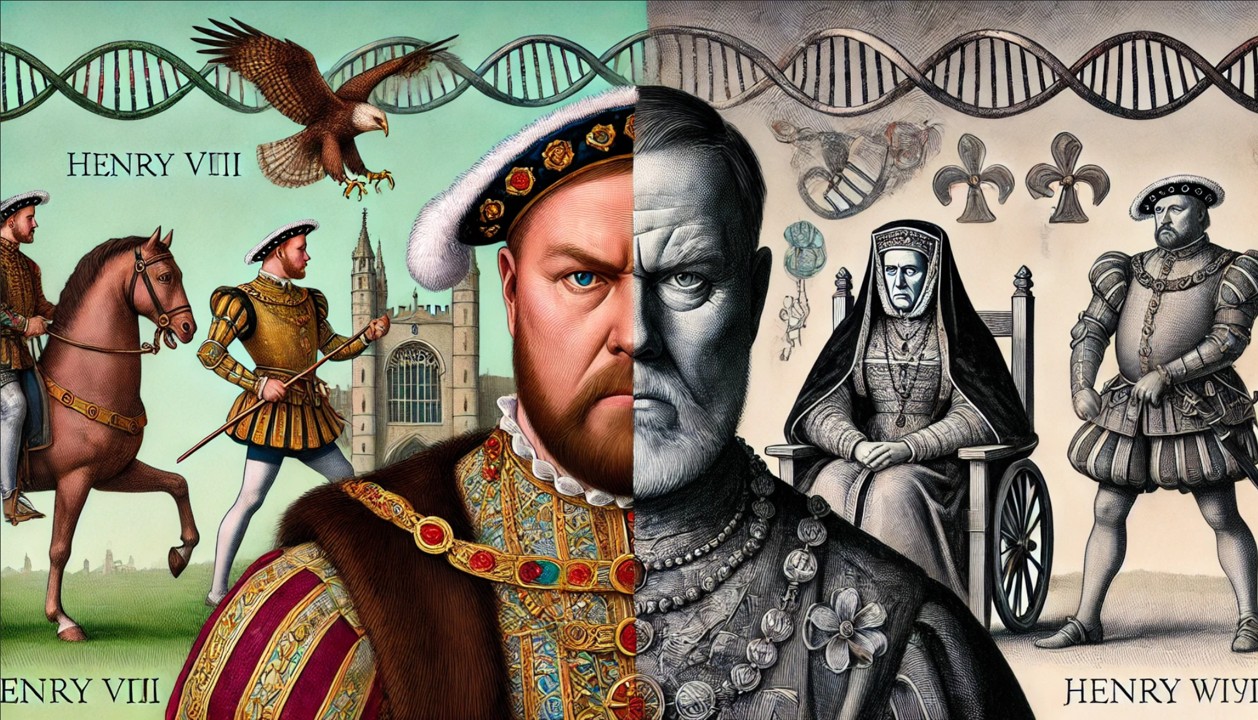
Another compelling speculation comes from Stride and Lopes Floro in 2013, with their paper Henry VIII, McLeod Syndrome, and Jacquetta’s Curse offers a different—and equally compelling—explanation. They propose that Henry may have inherited the Kell blood group antigen from his maternal great-grandmother, Jacquetta Woodville, a trait that could have caused devastating reproductive issues. Even more intriguingly, they suggest that Henry suffered from McLeod syndrome, a rare disorder that not only erodes muscle control but can also trigger paranoia and psychotic episodes—symptoms eerily reminiscent of Henry’s later years. The Kell antigen effect on pregnancy is more of an immune system response—if a Kell-positive father conceives with a Kell-negative mother, her body can develop antibodies that attack future Kell-positive pregnancies, leading to miscarriages or stillbirths. This could explain Henry’s many failed pregnancies with his wives. By tracing his lineage and analyzing the physiological effects of these conditions, the study paints a picture of a king whose downfall may have been written in his DNA rather than his battle scars. Of course, the two ideas aren’t mutually exclusive.
The Future of TBI Research
Even if Henry’s brain injury didn’t cause all of his later behavior, the idea still shines a spotlight on the ways in which TBIs can impact personality. The Brain Injury Association of America (BIAA), our country’s oldest and largest nationwide brain injury advocacy organization, advances brain injury prevention, research, treatment and education, and advocacy and improves the quality of life for all individuals impacted by brain injury. They cite research showing that “up to three-fourths of people with TBI have irritability. In addition, up to 50% of people with TBI have problems with anger. A person who was not prone to irritability or anger before their TBI may now be easily irritated or angered after their TBI.” Despite the expansion of brain injury research and new treatment options, such as neuroplasticity therapies and brain stimulation techniques, awareness remains limited, and many people suffering from TBIs struggle to receive appropriate care.
Whether Henry’s transformation was driven by injuries sustained in the jousting arena, or compounded by genetic anomalies and McLeod syndrome, his story is a stark reminder of how brain trauma can happen to anyone without notice, potentially impacting their identity, decision-making, and relationships. Today, we must ensure that those suffering from TBIs—not just kings and warriors, but everyday people—receive the medical support, rehabilitation, and emotional care they need, along with vital resources for their caregivers and loved ones who walk this journey with them.
References:
- Mayo Clinic. Traumatic Brain Injury Symptoms and Causes. Link
- Fitzpatrick, A. “Could a Jousting Accident Have Changed Henry VIII’s Personality?” History Extra. Link
- Gardner, H., The Neuroscience of Traumatic Brain Injuries, Oxford University Press, 2015.
- Freeman, T., “Henry VIII: Tyrant or Troubled?” British History Monthly, 2017.
- Stirde, P. and K. Lopes Floro. Henry VIII, McLeod Syndrome, and Jacquetta’s Curse 2013 Link
 ERIC DORFMAN
Leave a comment