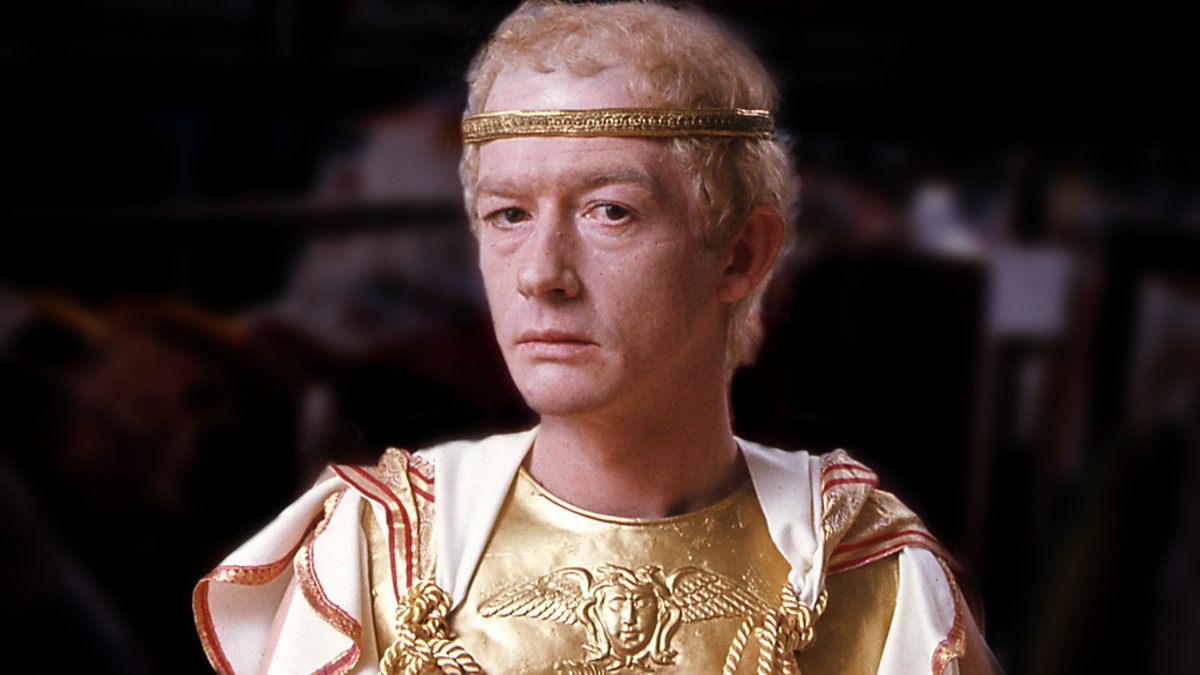
Few figures in Roman history conjure images of unchecked cruelty and debauchery quite like Emperor Caligula. His four-year reign from AD 37 to 41 has become a byword for sadistic excess, political madness, and the dangers of absolute power. But was Caligula truly mad? Or was he, in part, a victim of forces beyond his control—his mind unspooled by illness, toxins, and the intoxication of rule?

At first, Rome rejoiced in his ascension. The son of the widely beloved Germanicus, Caligula was a welcome departure from the dour and secretive Tiberius, who had spent the last years of his reign in self-imposed exile on the island of Capri. When the young emperor first took the throne, his rule was marked by generosity, lavish public games, and the release of political prisoners. Rome had a golden boy again—handsome, charismatic, and seemingly guided by divine favor.
And then, everything changed.
A mysterious illness struck him down, bringing him to the brink of death. When he emerged, he was not the same man. The benevolent ruler was gone, replaced by something far darker—unpredictable, erratic, and terrifyingly cruel. His infamous reign would see the Senate humiliated, Rome drained of its treasury, and a city brought to its knees by an emperor who seemed to revel in sadism.

History remembers Caligula for his monstrous excesses. He was said to have indulged in arbitrary executions, plucking citizens from the crowd and sending them to their deaths for his own amusement. And then there was the war on Neptune—an almost comical episode in which he declared battle against the sea, sending his soldiers to stab at the waves before collecting seashells as the spoils of war.
But Caligula’s story is more than just legend and scandal. Beneath the surface of his brutality lies a more complex—and more tragic—explanation. Like Henry VIII, whose radical personality shift after a jousting accident I explored in a previous post, Caligula’s descent into madness may have been rooted in something more tangible than mere villainy.
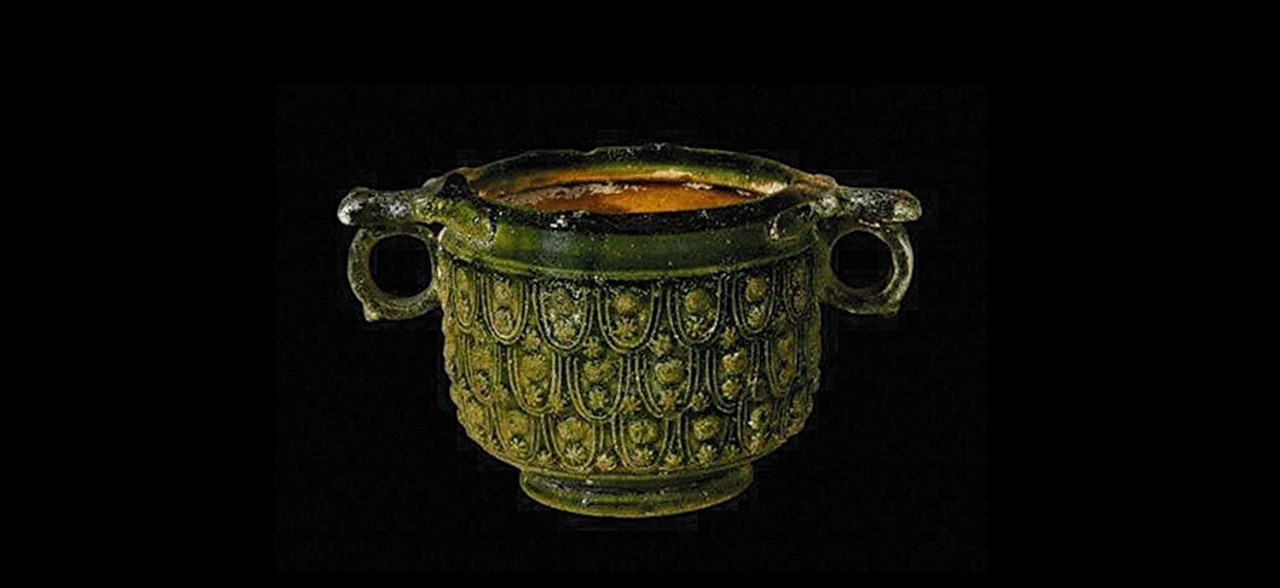
One of the most compelling explanations is lead poisoning. Rome’s elite lived surrounded by lead—plumbing, cookware, and even wine sweetened with lead acetate. Chronic exposure is now known to cause severe cognitive impairment, mood instability, and violent aggression. Could the emperor’s brain have been slowly unraveling under the weight of toxic heavy metals? The evidence is circumstantial, but striking—high lead levels have been found in Roman remains, suggesting that Caligula might have suffered from gradual neurological deterioration. That said, the fact that the shift was sudden and he was so young at the time, points to other potential causes.

Others writers suggest a different kind of sickness. Encephalitis, an inflammation of the brain caused by a variety of infections (see picture above), can lead to symptoms of paranoia, hallucinations, and impulsivity. His abrupt change in temperament after his illness is consistent with such a condition, as is his increasing experience of religious visions and delusions of grandeur. Severe encephalitis can cause long-term cognitive damage, affecting judgment, emotional regulation, and behavior. In an era without advanced medical care, such an illness could have permanently altered Caligula’s mental state, contributing to his unstable rule.
Some theorists point to epilepsy—particularly temporal lobe epilepsy, which can induce hypersexuality, religious ecstasy, and erratic behavior. Temporal lobe epilepsy is a condition that can profoundly alter a person’s behavior and personality, sometimes manifesting in sudden bursts of aggression, intense emotional experiences, and even hallucinations. The repeated seizures associated with this form of epilepsy can cause cumulative damage to the brain, potentially leading to a progressive decline in mental stability. For someone in Caligula’s position, with the pressures of empire pressing down on him, even a mild form of epilepsy could have been exacerbated by stress and isolation, transforming him from a promising young ruler into the erratic tyrant history remembers.
Genetics, too, may have played a role. The Julio-Claudian dynasty was riddled with figures whose reigns were marked by paranoia and cruelty. Inbreeding among the Roman elite was not uncommon, increasing the risk of inherited neurological and psychiatric disorders. Conditions such as schizophrenia, bipolar disorder, and other mood-altering illnesses could have been passed down, amplified by the close genetic ties within the family. Tiberius, his predecessor, withdrew into isolated depravity, at least according to some accounts. Nero, his successor, would plunge Rome into chaos with his own self-indulgence and madness (more about him in a future post). Perhaps there was an inherited susceptibility to instability, one exacerbated by the pressures of absolute power and the prevalence of deleterious traits within the dynasty’s tightly woven bloodline.

Yet, even without poisoning or illness, there is one undeniable force that likely helped to shape Caligula’s decline: power itself. Neuroscience has shown that unchecked authority changes the brain, eroding empathy and fostering impulsivity. (Check out this article from Stanford University.) Raised in a court of intrigue, where betrayal was an art form and survival a daily battle, Caligula grew up in an environment where cruelty was currency. He may not have been born a monster, but Rome made him one.
So what, then, was Caligula? A villain, yes. A madman, perhaps. But also, a cautionary tale. He was a man whose mind was broken – by illness, toxins, power, or by a perfect storm of all three. His story is not just a historical curiosity, but a lesson in how unchecked indulgence and isolation at the height of power can twist even the most celebrated figures into grotesque parodies of themselves.
Rome buried Caligula in an unmarked grave, his body riddled with stab wounds from the very men who, only a couple of years before, swore to protect him. His name was erased from official inscriptions, his memory condemned. But history has not forgotten him. His reign remains a dark mirror – of human nature, of political excess, and of the fragility of the mind when it is placed, unchecked, upon the throne of an empire.
Further Reading: A.T. Sandison. 1958. The Madness of Emperor Caligula. Cambridge University.
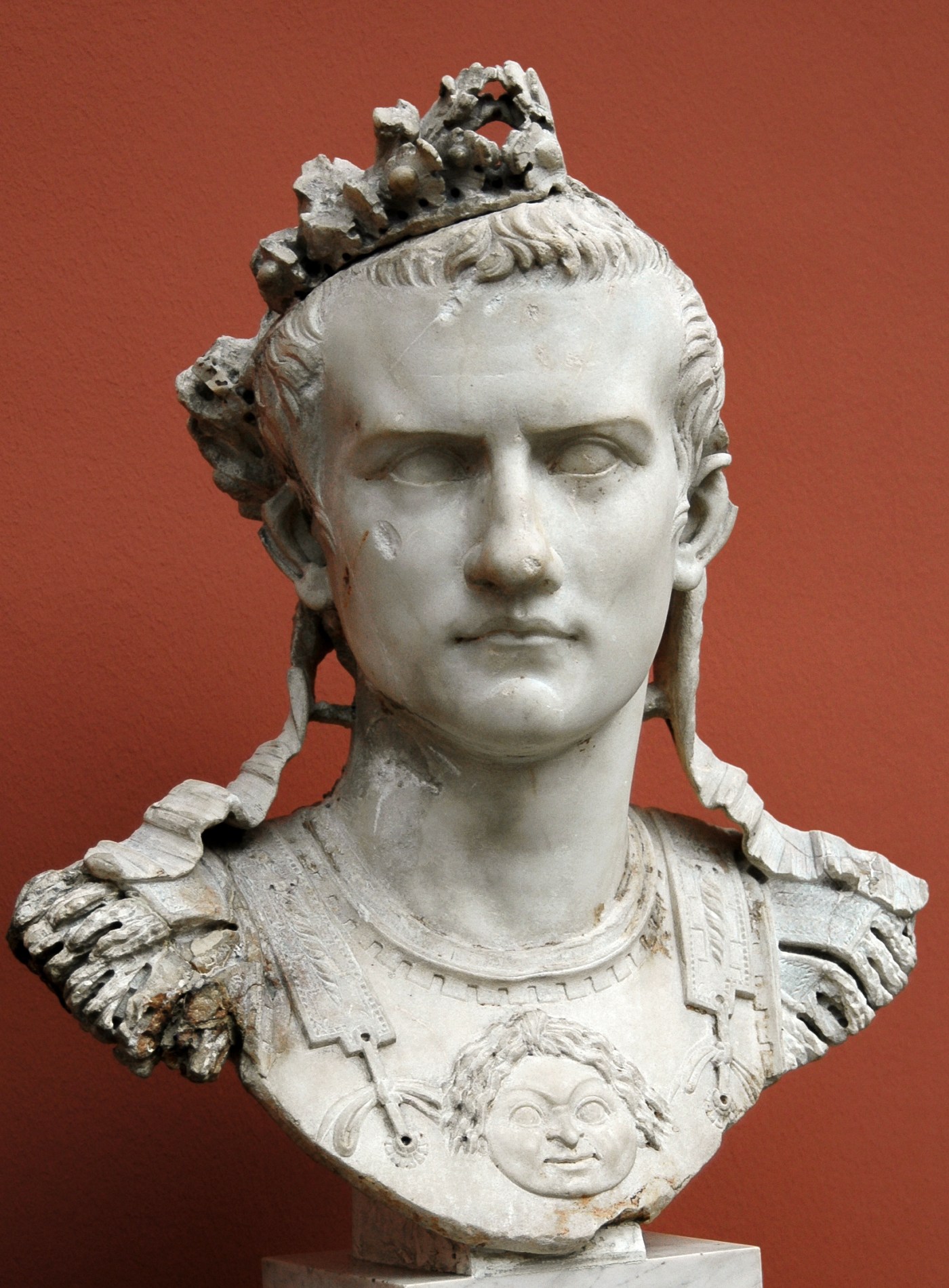
Featured image: Bust of Emperor Caligula. His laurel wreath, originally complete (based on an older Getty image), has now been partially broken off. Photo: Sergey Sosnovskiy, 2008.
 ERIC DORFMAN
Leave a comment