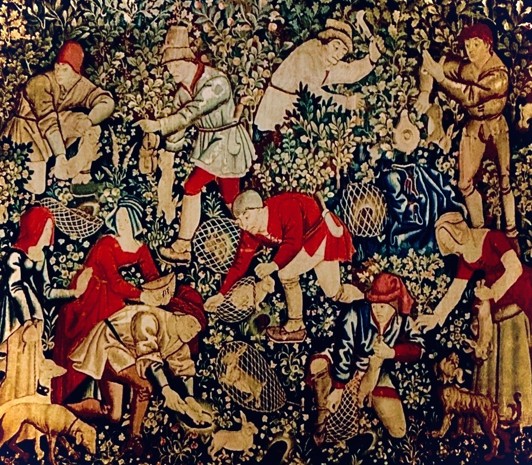
One thing I love about early Renaissance and late Medieval art is the unselfconscious way it opens small windows into the beliefs, daily life, and the intellectual worlds of their time. Walking through the galleries at the San Francisco’s Legion of Honor Art Museum yesterday, I lingered over works by Titian and the Lucas Cranach the Elder. I enjoyed religious icons that once provided churches with decoration to inspire parishioners. I did not, however, expect to encounter a work that would set my mind turning over as a natural historian.
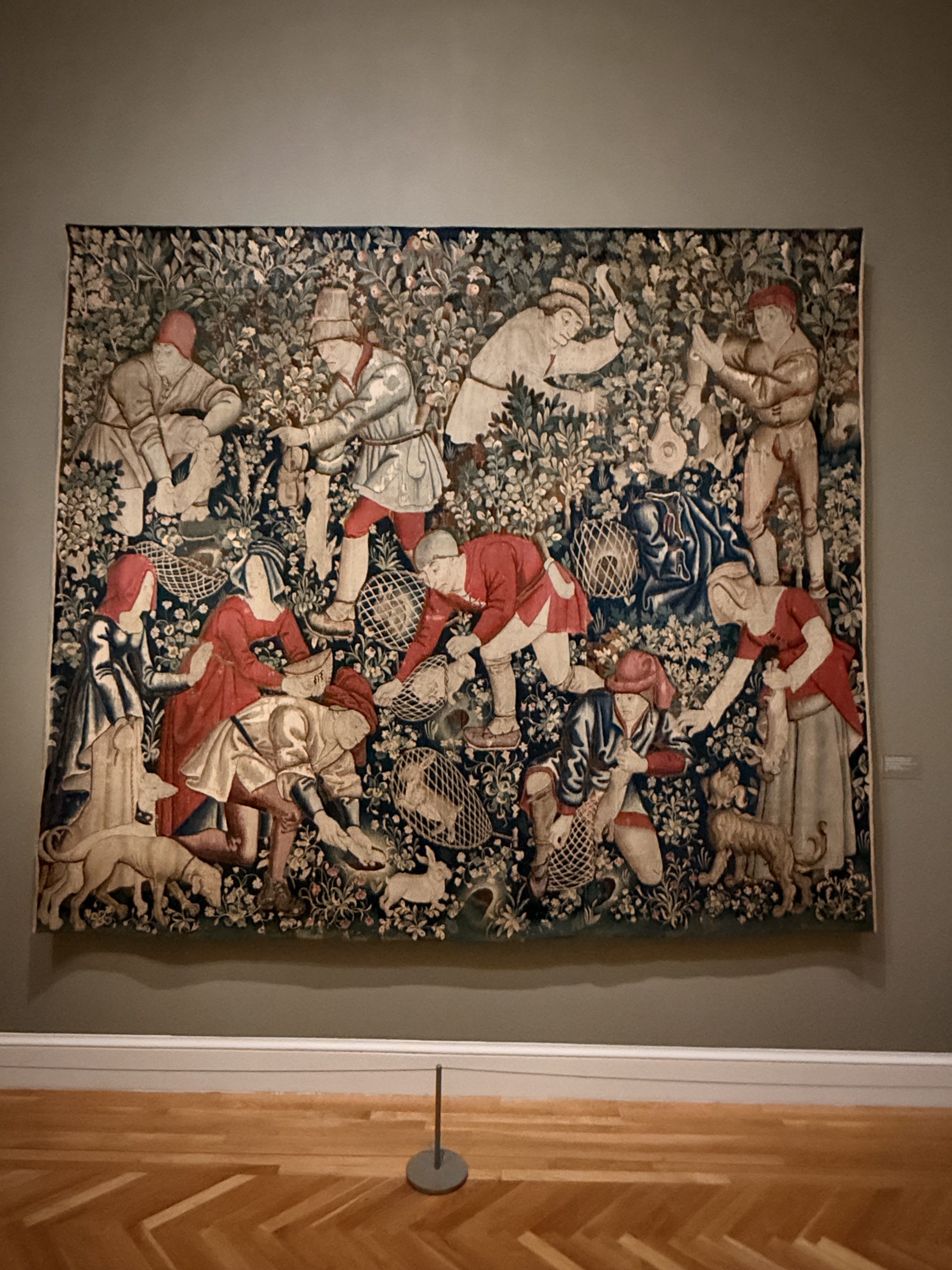
The work was “Rabbit-Hunting with Ferrets,” a Franco-Flemish tapestry from around 1470. I found myself thinking not only about art and history, but about ecology, animal behavior, and the deep human impulse to collaborate with the living world.
This woven scene feels at once immediate and grounded. Dense vegetation fills the space, and the landscape appears as a mix cultivated and wild spaces. The setting reflects the medieval boundary between farm and forest, a transitional zone (ecotone) that, in terms of modern ecology, is especially productive biologically. Medieval communities understood the value of this ecological connective tissue through lived experience and focused their hunting in these areas.
The composition also emphasizes cooperation between the genders: men and women participate together across this landscape. This collective approach shows that food gathering relied on shared knowledge, and disrupts later romantic myths that hunting was exclusively a male activity.
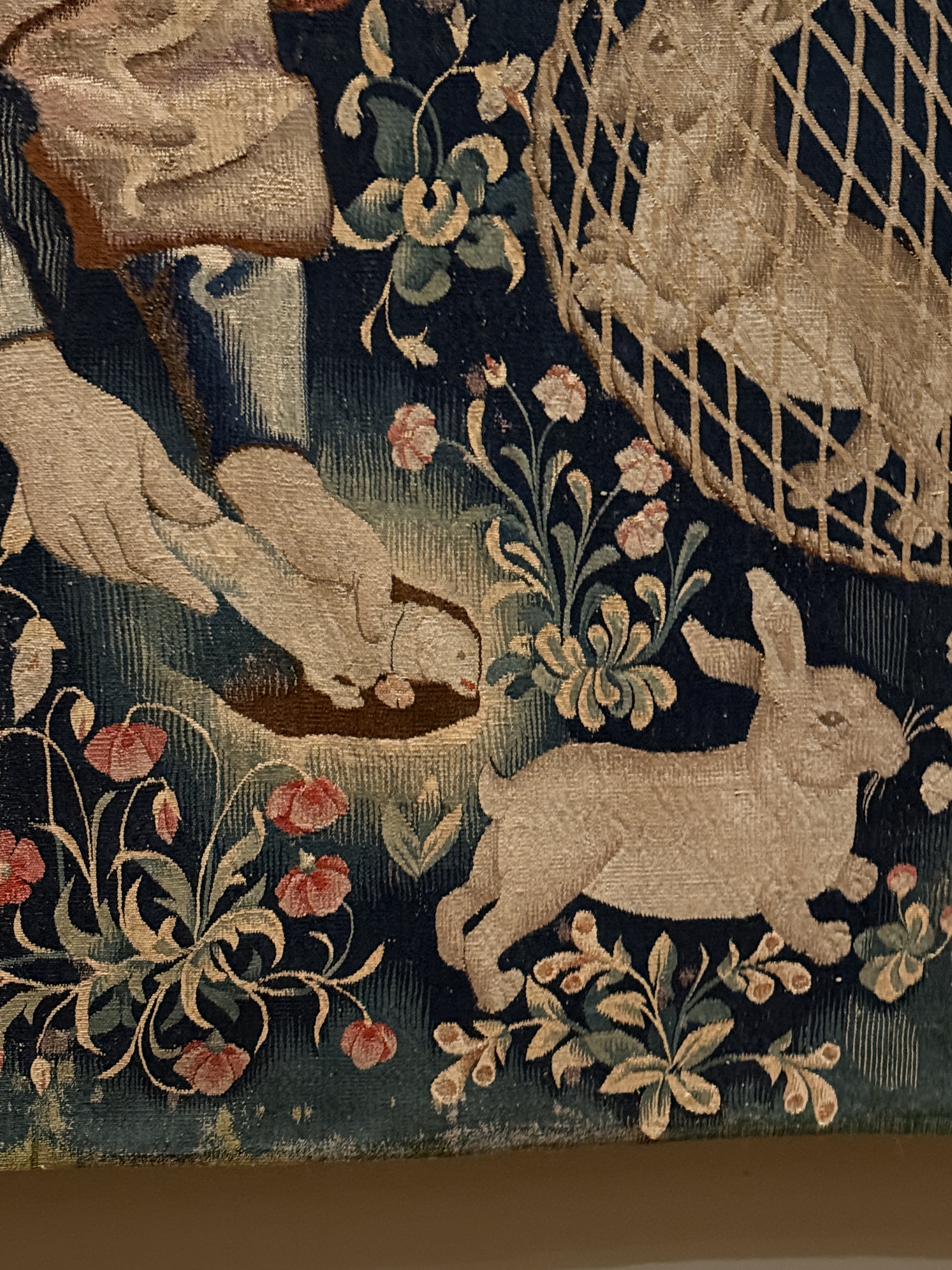
At the middle foreground, a man releases a ferret down a rabbit hole. A woman, perhaps a wife or family member, stands behind him with a small wicker transport cage for the ferret. The animal is about to enter the burrow and frighten the rabbits into the humans’ waiting nets. The hunters rely on the ferret’s instincts to chase the rabbits and, for the ferret (I can vouch for this personally), it’s just a fun day out.
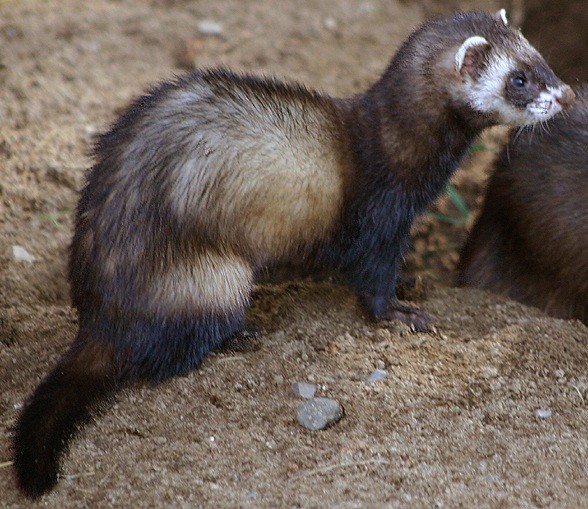
This partnership represents an early form of applied science. Medieval hunters observed animal behavior, and they designed techniques that aligned with natural tendencies. Ferrets descend from the European polecat Mustela putorius, and they retain strong predatory drives. Since somewhere likely between 500BCE and 100BCE, humans refined those drives through training and, in doing so, created a collaboration that expanded human reach underground.
This process reveals a broader truth about human evolution. Our species succeeds through alliances, and we extend our senses and capabilities through the agency of other organisms. Dogs track and guard, horses transport, falcons hunt, and bees pollinate. Ferrets flush prey, and each relationship increases our society’s resilience and adaptability, especially in the tough environments of a pre-technological world.
While modern life makes some of these relationships irrelevant, these strategies persist in surprising places. In Bangladesh, fishermen still train otters to herd fish into nets, and the animals receive a share of the catch. This practice demands patience and trust. It also demonstrates that cooperative hunting traditions persist, and they offer models for sustainable engagement with wildlife.
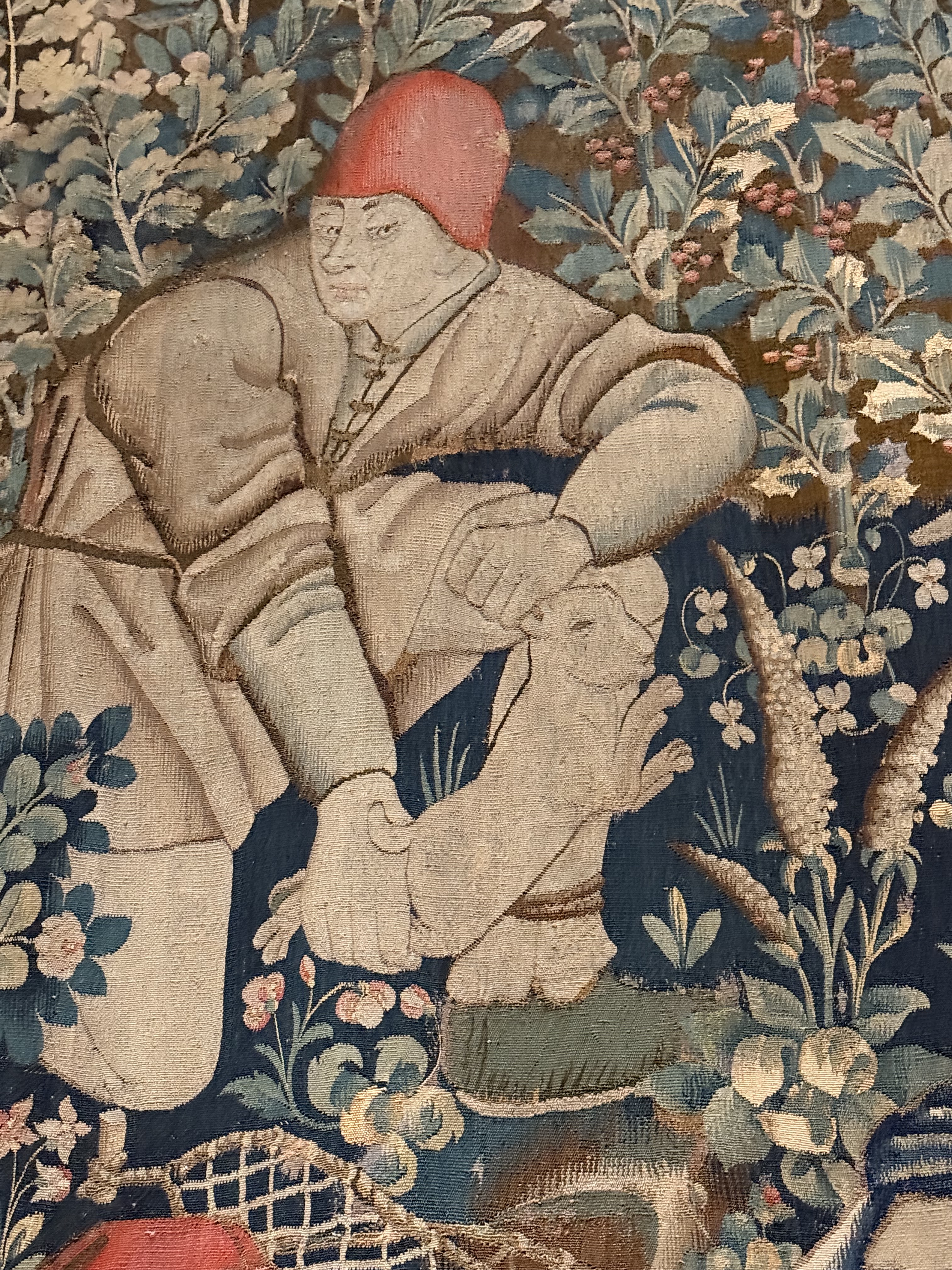
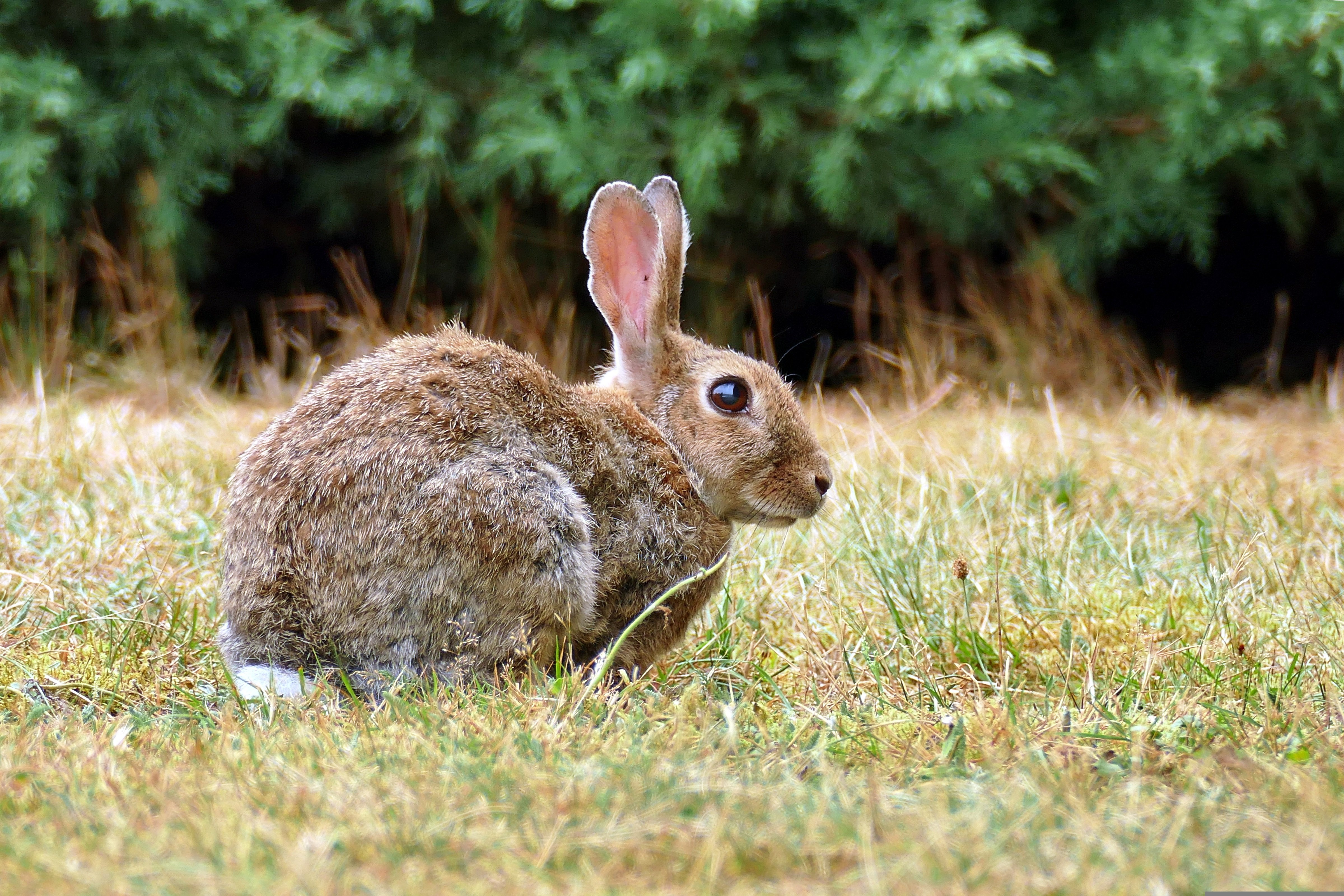
The tapestry also reflects environmental management. Rabbits (“conies”) provided meat and fur, and they threatened crops and soil stability. In an environment where natural predators were scarce, hunting regulated populations and protected livelihoods. Medieval communities therefore practiced ecosystem stewardship, and they did so through observation and adaptation.
The dense vegetation reinforces this point. Berry shrubs and other flowering plants support prey with cover and pollinators with food, sustaining a complex ecological network. These hunters operated inside living systems, adjusting their actions seasonally, and responding to feedback from the landscape. And, while the topic of hunting, and wildlife exploitation generally, can be polarizing, this artwork highlights an essential question of knowledge and balance. Communities that understood animal behavior often sustained wildlife over long periods, and maintained reciprocal relationships with landscapes.
Today we face new pressures. As industrial agriculture fragments habitat, invasive species disrupt wood webs, and climate change shifts species distributions, conservation efforts increasingly return to the concept of partnership. Rewilding restores predators and Indigenous land practices guide restoration across continents. In the future, recombinant genetics may shortly even allow us to reinstate lost species and habitats. Whether directly or obliquely, all of these solutions involve cooperation and shared agency across species. These insights are increasingly reshaping conservation, design and, perhaps most importantly, advocacy.
“Rabbit-Hunting With Ferrets” functions as both artifact and provocation. It documents a world in which humans collaborated with Nature to satisfy their needs, and it challenges us today to recover that sensibility, while we still have the opportunity to do so. Standing before this work in the majestically traditional surrounds of the Legion of Honor, I felt a sense of continuity with our forbears. The tools have changed and the scale has grown vast beyond recognition, yet the instinctual alliance remains central to human success. It calls back the member of of E. O. Wilson’s concept of Biophilia: humanity’s sense of affiliation of with living things.
In this light, the ferret in the tapestry becomes a symbol of a long and evolving partnership between humans and the natural world. Never in this course of human history has it been more desperately needed.
 ERIC DORFMAN
Leave a comment