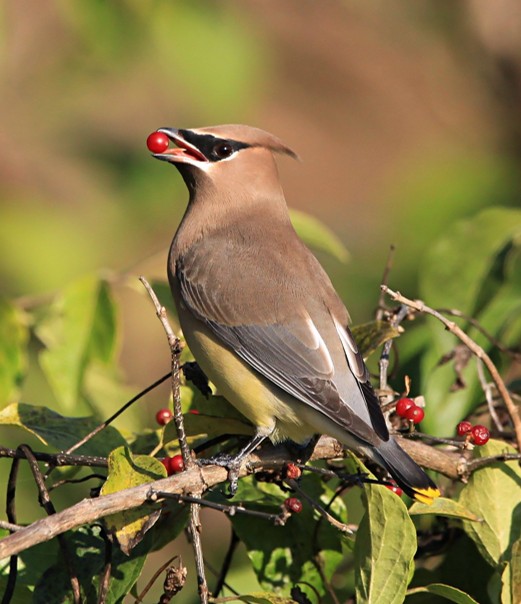
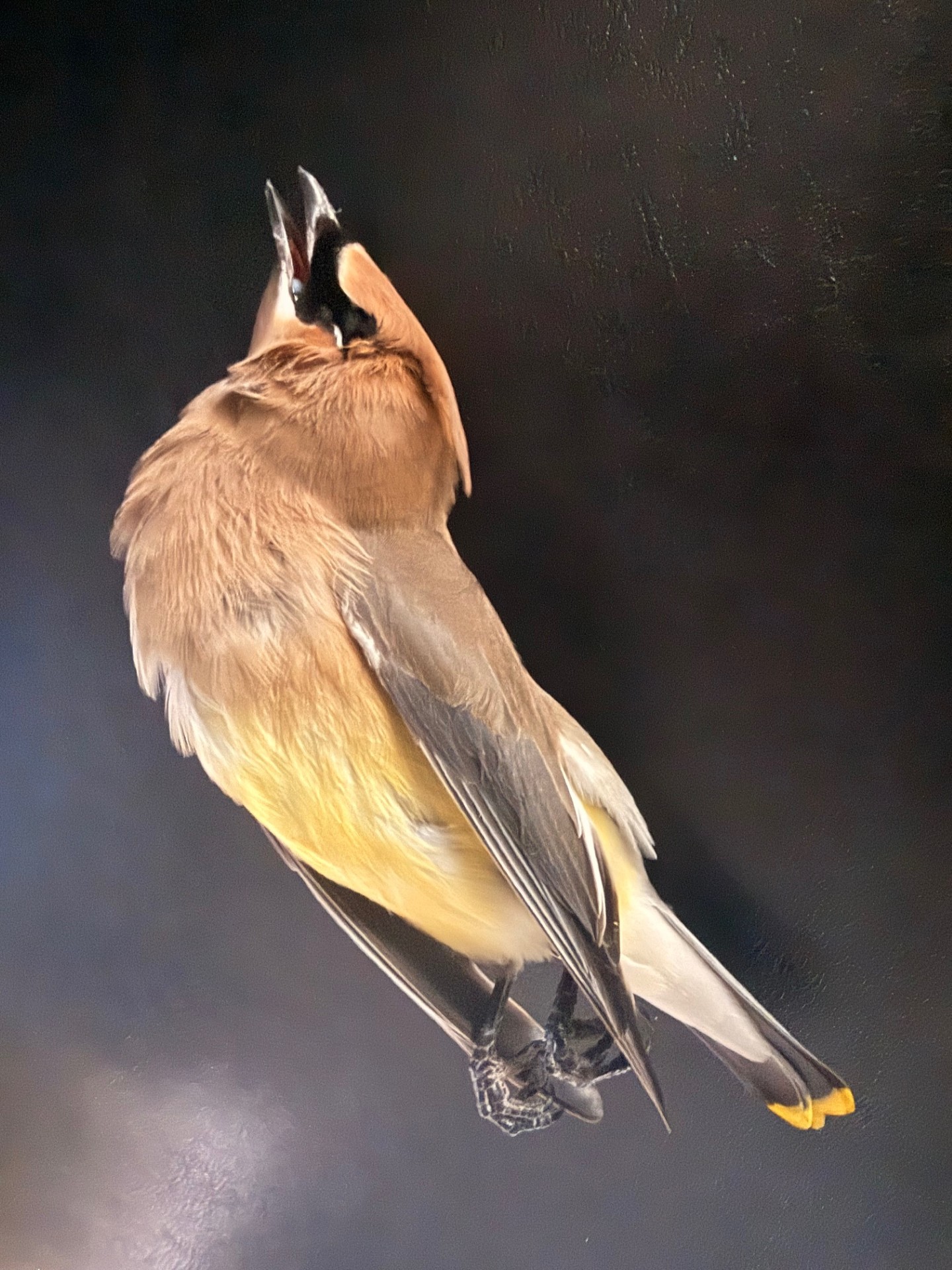
This morning, walking down the driveway, I found a Cedar Waxwing lying still beneath my kitchen window. Its neck had broken on impact. A few feet away, on the glass, was the faintest silhouette. A ghostly outline in feather dust. Proof of speed, confusion, and a fatal mistake measured in milliseconds.
I picked it up carefully. Cedar Waxwings Bombycilla cedrorumare light, almost improbably so. All softness and elegance, its fawn crest uncharacteristically down, its head uncharacteristically bent.
This bird is one of roughly one billion birds that will die from window collisions in the United States this year alone. Scale that globally and the estimates climb into the several billions annually. They are among the leading direct human causes of bird mortality, rivaled only by cats and habitat loss.
Births don’t nearly balance this ledger. Since 1970, North America has lost nearly three billion birds, a decline of about 29 percent across species, with perching birds taking the hardest hit. This is not a slow wobble. It is a sustained downward slope.
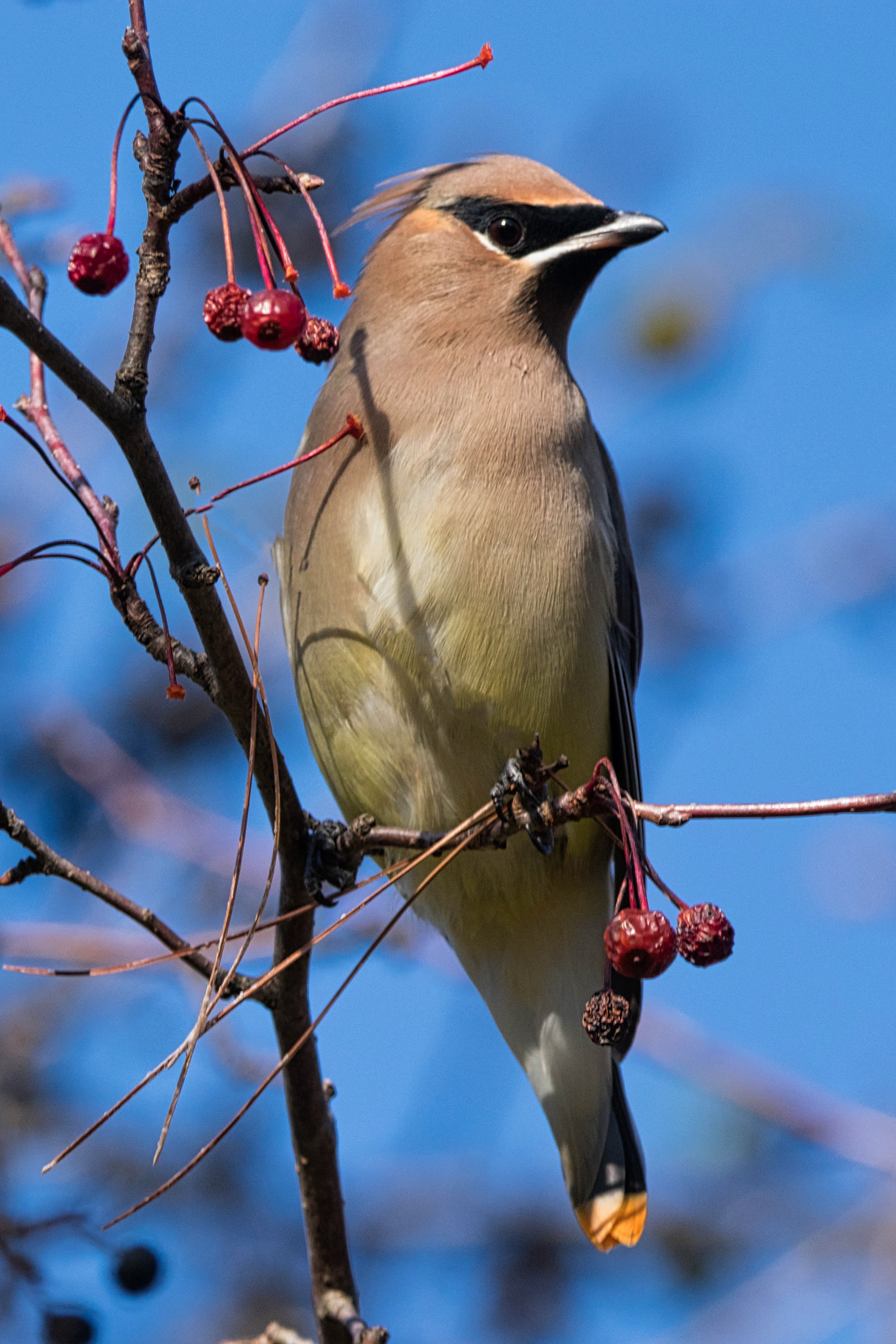
The Cedar Waxwing I found was almost certainly moving along its migratory circuit, one of the quieter travelers of the avian world. Waxwings breed across southern Canada and the northern United States, then drift southward in winter as far as the southern US, Mexico, and Central America. Unlike many songbirds, they migrate loosely, opportunistically, following fruit rather than calendars. They are social, nomadic, and exquisitely adapted to landscapes filled with berries.
They are also spectacularly vulnerable to glass.
Waxwings see reflections of trees, sky, and open space. They do not perceive windows as barriers. To a bird in flight, glass is not transparent. It is invisible.
Ironically, gardens like ours attract them. That is the point of gardens, after all. Native shrubs, fruiting trees, and water sources serve as substitute habitat in a world where forests have been carved into fragments. Our yards have become ecological stepping stones. Rest stops along a dangerous route.
Dangerous because we designed them for ourselves.
After collecting the bird, I placed it gently in a bag and put it in the freezer. It will shortly go, along with its location data and date, to the University of Kansas Biodiversity Institute and Natural History Museum. Even in death, it will add a data point. A record. A small act of scientific continuity.
Then I went online and ordered UV reflective decals for our highest risk windows.
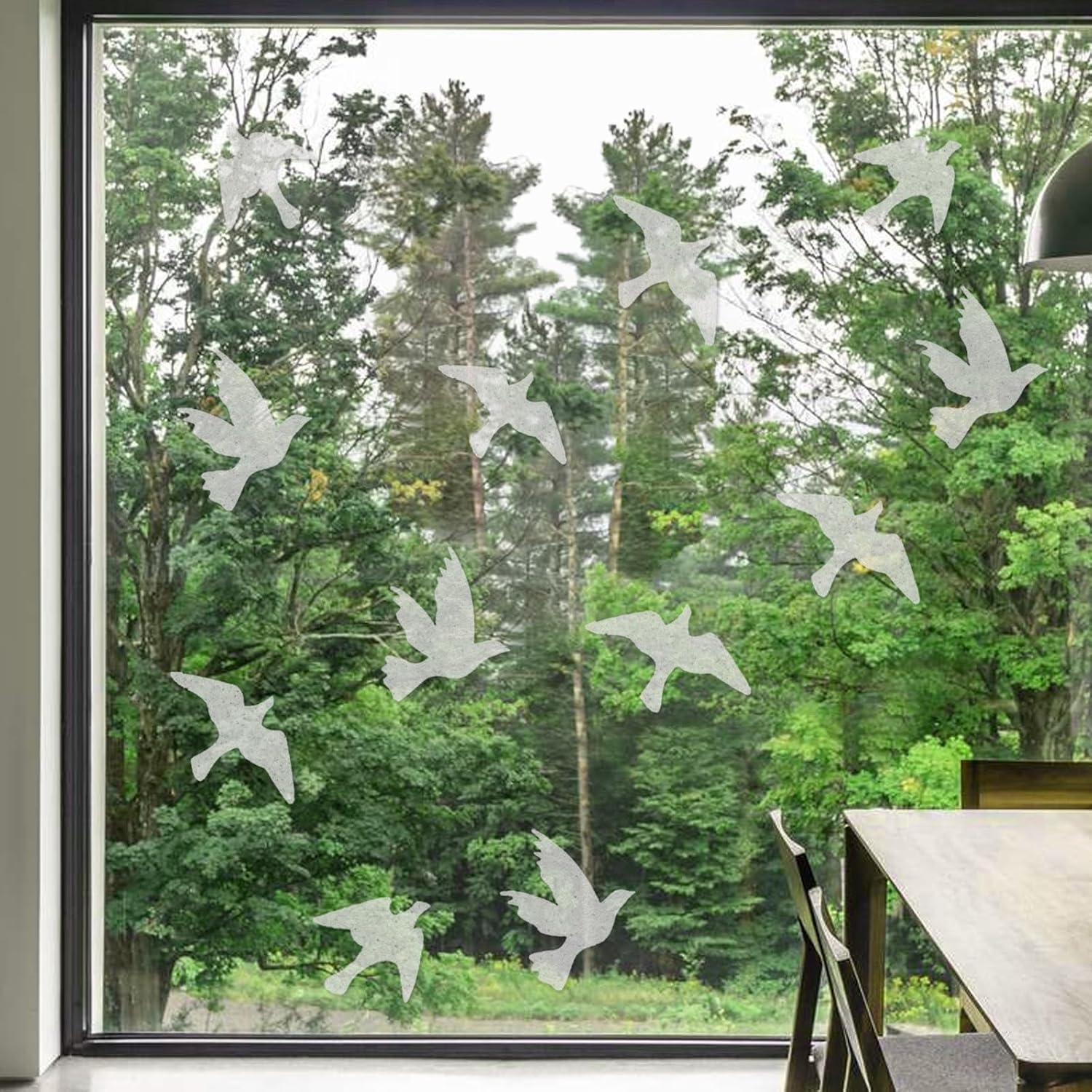
Not every window needs treatment. Risk depends on context. Trees close to glass, clear sightlines through a house, reflections of vegetation, and how sunlight strikes the pane all play a role. Corner windows and large uninterrupted panes tend to be the worst offenders. Migration seasons amplify everything.
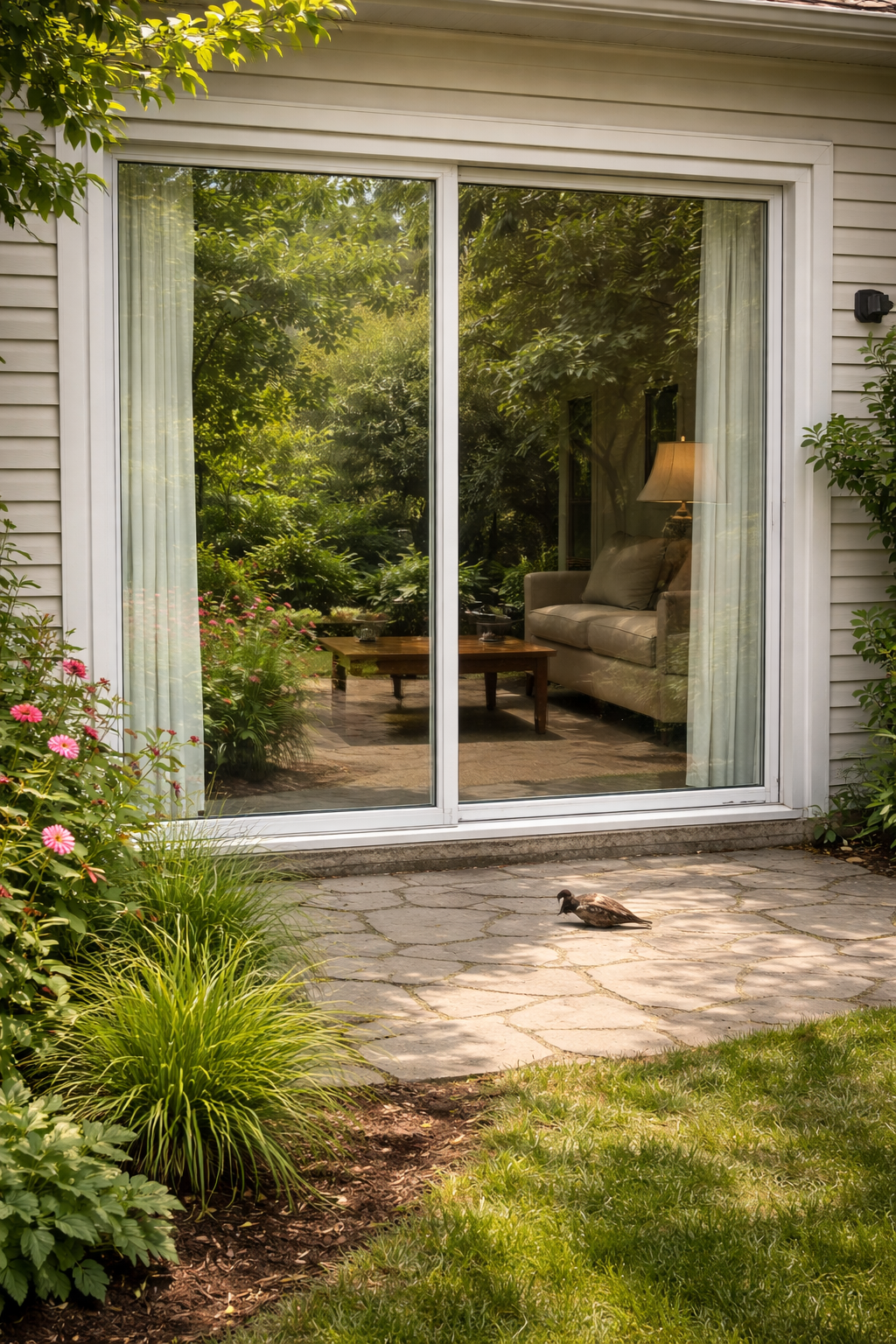
In all this, there is some good news. Window collisions are among the most preventable sources of bird mortality.
If you suspect your windows pose a risk, start here:
- American Bird Conservancy offers clear guidance and tested solutions: bird safe window films, decals, external screens, and pattern spacing that actually works. Their “Bird-Smart Glass” recommendations are grounded in solid experimental data.
https://abcbirds.org/glass-collisions/ - Fatal Light Awareness Program (FLAP) provides practical advice on identifying collision hotspots and reducing risks, especially in residential settings.
https://flap.org/ - Cornell Lab of Ornithology explains why birds hit windows and how to fix the problem without turning your house into a bunker.
https://www.allaboutbirds.org/news/why-birds-hit-windows-and-how-you-can-help-prevent-it/
The rule of thumb is simple. If you can see sky or vegetation reflected in your window, a bird can try to fly through it. Patterns applied to the outside surface work best. UV products help because many birds see ultraviolet light even when we do not.
I wish I had done this sooner. I am doing it now.
The Cedar Waxwing at my window died because our built environment still assumes we are the only ones moving through it. That assumption feels increasingly outdated.
One small bird. One morning. One reminder pressed briefly into glass.
 ERIC DORFMAN
Leave a comment